Τετάρτη 30 Δεκεμβρίου 2020

Otology & Neurotology

Treatment Analysis and Overall Survival Outcomes of Patients With Bilateral Vestibular Schwannoma
Objectives: To investigate the clinical presentation, treatment breakdown, and overall survival (OS) outcomes of patients with neurofibromatosis type 2 (NF2)-associated bilateral vestibular schwannoma (NVS). Methods: The 2004 to 2016 National Cancer Database was queried for patients with a diagnosis of VS. The "Laterality" code was used to stratify patients into sporadic unilateral vestibular schwannoma (UVS) and NVS. Results: Of the 33,839 patients with VS, 155 (0.46%) were coded for NVS with an average age and tumor size of 37.4 ± 20.5 years and 23.5 ± 18.2 mm. Patients underwent observation (45.3%), surgery (29.3%), and radiotherapy (20.0%), and had a 5.8% 5-year mortality rate. Compared with UVS, NVS was negatively associated with receiving surgery (40.2% versus 29.3%, p = 0.02) while watchful observation was more prevalent (30.1% versus 45.3%, p = 0.001). In NVS, undergoing surgery was associated with larger tumor size (34.5 ± 21.2 versus 17.8 ± 13.3 mm, p = 0.001) and shorter diagnosis-to-treatment time (49.1 ± 60.6 versus 87.0 ± 78.5 d, p = 0.02), radiotherapy was associated with older age (44.4 ± 18.9 versus 35.2 ± 20.6 yr, p = 0.02) and longer diagnosis-to-treatment time (85.9 ± 77.9 versus 53.9 ± 65.5 d, p = 0.04), and observation was associated with smaller tumor size (17.8 ± 15.9 versus 28.0 ± 19.2 mm, p = 0.01). Kaplan–Meier log-rank analysis demonstrated similar 10-year OS between NVS and UVS patients (p = 0.58) without factoring the earlier age of presentation. Furthermore, there were no temporal changes in presentation/management of NVS, and OS was not dependent on the received treatment (p = 0.30). Conclusions: With younger age, larger tumors, and more conservative management, NVS's OS was not treatment-dependent and was similar to sporadic UVS, though the latter should not be interpreted as similar life expectancies due to the much earlier presentation. Address correspondence and reprint requests to Hamid R. Djalilian, M.D., Division of Neurotology and Skull Base Surgery, Department of Otolaryngology–Head and Neck Surgery, University of California Irvine, 19182 Jamboree Road, Otolaryngology-5386, Irvine, CA 92697; E-mail: hdjalili@hs.uci.edu K.G. and M.A. have contributed equally to this work. Presented as a podium at the 2020 Triological Society: Combined Sections Meeting, Coronado, CA, January 23–25, 2020. Financial Disclosure: M.A. is supported by the National Center for Research Resources and the National Center for Advancing Translational Sciences, National Institutes of Health, through Grant TL1TR001415. The authors disclose no conflicts of interest. Copyright © 2020 by Otology & Neurotology, Inc. Image copyright © 2010 Wolters Kluwer Health/Anatomical Chart Company

Reliability of Primary Health Care Audiograms by Non-Qualified Examiners—An Analysis of 1,224 Cases
Objective: To evaluate the accuracy of primary health care audiograms conducted by non-qualified examiners in a non-standard acoustic environment. Study Design: Retrospective chart review. Setting: Referring primary health care institutions and hospital hearing center. Patients: One thousand two hundred twenty four adult patients evaluated for hearing aid fitting at North Karelia Central hospital in years 2017 and 2018. Main Outcome Measures: Intraclass correlation coefficient (ICC), mean threshold differences, and mean absolute errors were used to assess agreement between primary health care and hospital audiograms. Primary health care audiometry sensitivity, specificity and positive (PPV) and negative (NPV) predictive values were calculated for hearing aid candidacy in general and open ear mold candidacy in particular. Results: ICC for both better ear hearing level (BEHL0.5,1,2,4  kHz) and pure-tone average (PTA0.5,1,2,4  kHz) in frequencies 0.5, 1, 2, and 4 kHz was 0.82, and in individual full octave frequencies from 0.125 to 8 kHz ranged from 0.70 to 0.83. Mean threshold differences in BEHL0.5,1,2,4  kHz and PTA0.5,1,2,4  kHz were 1.8 and 1.6 dB and mean absolute errors 4.9 and 5.3 dB, respectively. Sensitivity for hearing aid candidacy was 0.97, specificity 0.58, PPV 0.92, and NPV 0.79. Conclusions: Primary health care audiometry is reasonably accurate, allowing preselection of patients to adequate hearing care pathways. Address correspondence and reprint requests to Jukka Kokkonen, M.D., Department of Otorhinolaryngology, North Karelia Central Hospital, Tikkamäentie 16, 80210 Joensuu, Finland; E-mail: jukka.kokkonen@siunsote.fi Sources of support or funding received: none. The authors disclose no conflicts of interest. Supplemental digital content is available for this article. Direct URL citations appear in the printed text and are provided in the HTML and PDF versions of this article on the journal's Website (www.jcraniofacialsurgery.com). Copyright © 2020 by Otology & Neurotology, Inc. Image copyright © 2010 Wolters Kluwer Health/Anatomical Chart Company

Cochlear Implant Outcomes in Neurofibromatosis Type 2: Implications for Management
Objective: To describe our institutional experience with cochlear implantation (CI) for rehabilitation of hearing loss in Neurofibromatosis type 2 (NF2) patients. Study Design: Retrospective review between 1989 and 2019. Setting: Tertiary-care center. Patients: Twenty-four patients (67% female, mean age 45.6years) with NF2. Management of their ipsilateral vestibular schwannoma included microsurgery (n=12), stereotactic radiation (n=5), and observation (n=7). Interventions: Cochlear implantation. Main Outcome Measures: Ability to obtain open-set speech, daily device usage and long-term device benefit. Results: All patients achieved some degree of sound awareness with CI. Nineteen patients (79%) achieved open-set speech understanding with a mean word-recognition score of 43% (range 0-88%). Patients with tumors 1.5 cm or less demonstrated the better speech understanding, without significant differences among treatment modalities. For tumors greater than 1.5 cm, patients who underwent microsurgery had a lower rate of open-set speech understanding compared to those treated with radiation or observation. Regular daily device use in 83% of patients was found. Long-term use (>10years) was observed in several patients, though some ultimately required reimplantation with an auditory brainstem implant due to progressive tumor growth. Mean follow-up duration was 4.1 years (range 0.4-15). Conclusions: Cochlear implantation can be an effective treatment for hearing loss in NF2 patients provided the cochlear nerve is intact, regardless of prior management for the ipsilateral tumor. The degree of benefit varies and is influenced by tumor size. Management strategies that preserve the cochlear nerve maximize the interval during which a CI could be of benefit to NF2 patients. Address correspondence and reprint requests to David R. Friedmann, M.D., M.Sc., Department of Otolaryngology, New York University School of Medicine, 530 1st Avenue Suite 7Q, New York, NY 10016; E-mail: david.friedmann@nyulangone.org The following manuscript was presented in oral form at the Annual North American Skull Base Society Meeting, February 9, 2020 in San Antonio, TX. J.T.R. and W.H.S. are consultants for Cochlear Pty Limited and receive research support. Institutional review board approval: New York University IRB Approval #i19-01139. Copyright © 2020 by Otology & Neurotology, Inc. Image copyright © 2010 Wolters Kluwer Health/Anatomical Chart Company

Cochlear Implantation in Sporadic Vestibular Schwannoma and Other Retrocochlear Pathology: A Case Series
Objective: To describe outcomes with cochlear implantation (CI) for rehabilitation of hearing loss in patients with sporadic vestibular schwannomas (VS) and other retrocochlear pathologies. Study Design: Retrospective review. Setting: Tertiary-care center. Patients: Twenty three cases in 19 patients (53% men, mean age 55.8 yr) with non-neurofibromatosis type 2 related retrocochlear pathology. Interventions: Unilateral or bilateral CI. Main Outcome Measures: Word recognition score, device usage. Results: Etiology of deafness included sporadic VS (n = 9, 39%), radiation after head and neck or central nervous system (CNS) malignancy (n = 8, 35%), superficial siderosis (n = 3, 13%), neurosarcoidosis (n = 2, 9%), and pontine stroke (n = 1, 4%). Mean follow-up duration was 2.3 years (standard deviation [SD] 3.0; range, 0.2–9.4). Auditory perception was achieved in 20 out of 22 patients (91%) who have been activated. Mean WRS in patients with sporadic VS was 18% (SD 20; range, 0–44). Mean WRS in patients with non-VS retrocochlear pathology was 55% (SD 30; range, 0–94). Data logs showed 7.0 h/d of average use (SD 4.3; range, 0–13). Conclusions: Appropriately selected patients with retrocochlear pathology may benefit from CI so long as the patient has a cochlear fluid signal and an intact cochlear nerve. Patients with sporadic VS patients and normal contralateral hearing exhibited guarded outcomes with CI, whereas most patients with non-VS retrocochlear pathologies demonstrated open-set speech understanding scores comparable to or slightly worse than conventional CI candidates. Since variable performance benefit is observed with CI in patients with retrocochlear pathology, counseling is imperative to align patient expectations with realistic outcomes. Address correspondence and reprint requests to John Thomas Roland, M.D., Department of Otolaryngology–Head & Neck Surgery, New York University School of Medicine, 550 1st Avenue, New York, NY 10016; E-mail: J.Thomas.RolandJr@nyulangone.edu Institutional Review Board Approval: New York University IRB Approval #i19-01139. Conflict(s) of Interest to Declare: J.T.R. and S.O.M. are consultants for Cochlear Pty Limited and receive research support. Copyright © 2020 by Otology & Neurotology, Inc. Image copyright © 2010 Wolters Kluwer Health/Anatomical Chart Company

Increased Radiosurgery Toxicity Associated With Treatment of Vestibular Schwannoma in Multiple Sclerosis
Objective: Explore the risk of radiation-induced neurotoxicity in patients with multiple sclerosis (MS) treated with stereotactic radiosurgery (SRS) and better understand the pathophysiology of radiation-induced injury in the central nervous system (CNS). Patients/Intervention: We present the clinical course and magnetic resonance imaging (MRI) findings of a 52-year-old woman with a history of relapsing remitting MS, who developed radiation-induced neurotoxicity following CyberKnife SRS (25 Gy in five fractions) for a left-sided vestibular schwannoma (VS). Main Outcome Measure: Risk of radiation-induced damage following SRS to the CNS, including radiation type and dose, toxicity, and time to symptom onset, in patients with MS. Results: Our patient developed increased imbalance (grade 2 toxicity) 3 months following CyberKnife SRS. Brain MRI showed new fluid-attenuated inversion recovery (FLAIR) hyperintensity in the pons and cerebellum. Neurotoxicity from SRS is rare. However, our literature review showed that 19 patients with MS who underwent intracranial radiation therapy sustained radiation-induced toxicity. The potential mechanisms for increased toxicity in MS could be due to a combination of demyelination, inflammatory, and/or vascular changes. Efficacy of treatments including steroids, bevacizumab, and hyperbaric oxygen therapy is currently unknown. Conclusion: Treatment options of SRS and surgery for VS should be carefully considered as patients with known MS may be at increased risk for radiation-induced damage following SRS to the CNS. Thoughtful radiosurgical planning and dosing accounting for this inherent risk is essential for managing patients with MS and VS. Address correspondence and reprint requests to Katherine Wallerius, M.D., Department of Otolaryngology—Head and Neck Surgery, Medstar Georgetown University Hospital, 3800 Reservoir Road NW, Building 1, Washington, DC 20007; E-mail: kpw30@georgetown.edu Conflicts of Interest and Source Funding: No funding organization contributed to the design or conduct of this study; collection, management, analysis, or interpretation of the data; or preparation, review, or decision to submit this article for publication. The authors have no funding, financial relationships, or conflicts of interest to disclose. Copyright © 2020 by Otology & Neurotology, Inc. Image copyright © 2010 Wolters Kluwer Health/Anatomical Chart Company

Effects of Presentation Level on Spatial Hearing With and Without Bone-Conduction Amplification in Congenital Unilateral Aural Atresia
Objective: This study assessed the effect of ipsilateral bone-conduction amplification on spatial hearing abilities in subjects with congenital unilateral aural atresia (CUAA). Patients: Twelve patients with unilateral conductive hearing loss secondary to CUAA and normal hearing in the contralateral ear were tested. Most (75%) had limited experience with a bone-conduction hearing aid (BCHA). Intervention: Performance was evaluated with and without a BCHA fitted acutely on a softband. Main Outcome Measures: Spatial hearing abilities were evaluated in two paradigms. Spatial release from masking was evaluated by comparing masked sentence recognition with a target and two speech maskers either colocated at 0 degree or with the maskers separated at +90 degrees and −90 degrees. Sound source localization was evaluated in a 180 degrees arc of loudspeakers on the horizontal plane. Performance was evaluated at 50 and 75 dB SPL, and results were compared for patients tested with and without a BCHA. Results: Group level results indicate similar spatial release from masking in the aided and unaided conditions at both presentation levels. Localization at 50 dB SPL was similar aided and unaided, but at 75 dB SPL the root mean square error was lower unaided than aided (17.2 degrees vs 41.3 degrees; p = 0.010). Conclusions: Use of a BCHA in patients with CUAA may interfere with auditory cues required for sound source localization when the signal level is intense enough to overcome the patient's conductive hearing loss. These findings have potential clinical implications in fitting of BCHAs to support optimal spatial hearing in patients with CUAA. Address correspondence and reprint requests to Michael W. Canfarotta, M.D., Department of Otolaryngology/Head and Neck Surgery, Houpt Building, Room G-190, 170 Manning Drive, CB 7070, Chapel Hill, NC 27599-7070; E-mail: michael.canfarotta@unchealth.unc.edu M.W.C., S.L.G.K., and E.B. designed experiments, wrote the paper, and contributed significantly to analysis and revisions leading to its final form. This project was funded in part by the NIH through NIDCD (T32 DC005360 and R01 000397). Portions of these data were presented at the 7th International Congress on Bone Conduction Hearing and Related Technologies in December 2019 in Miami, FL. The authors have no conflicts of interest to disclose. Copyright © 2020 by Otology & Neurotology, Inc. Image copyright © 2010 Wolters Kluwer Health/Anatomical Chart Company

Transcanal Endoscopic Management of Glomus Tympanicum: Multicentric Case Series
Objective: The aim of this study was to report a multicentric surgical experience in the exclusive endoscopic management of glomus tympanicum (GT). Study Design: Retrospective case series review at two institutions. Setting: Tertiary referral centers. Patients: The study included 30 patients who underwent exclusive transcanal excision of GT between 2010 and 2017 at the two referral centers. Interventions: Exclusive endoscopic transcanal excision of GT type A1, A2, and B1 (modified Fisch-Mattox classification). All surgical procedures were performed by two senior surgeons (L.P.; M.B.). Main Outcome Measures: For each procedure, intraoperative features of the disease, postoperative complications, and functional outcomes were evaluated. Recurrent or residual diseases were clinically and radiologically assessed during the follow-up period. Results: None of the patients treated with transcanal endoscopic approach (TEA) experienced intraoperative complications, nor required conversion to microscopic approach. Gross total resection (GTR) was obtained in 90% of the cases, while a near total resection was advocated when the residual pathology had a close relationship with the internal carotid artery. Mean hospitalization time was 1.6 (±0.8 SD) days and no postoperative complications were reported. No recurrences were reported in the GTR group after a mean follow-up period of 38.1 (±28.7 SD) months. Conclusions: Middle ear paragangliomas with no mastoid involvement (Class A1, A2, and B1) can be safely managed by means of a transcanal endoscopic approach. Low rate of postoperative complications, short hospitalization, and high rate of gross total resection demonstrate that TEA is a safe and effective procedure. Address correspondence and reprint requests to Matteo Fermi, M.D., Department of Otorhinolaryngology, Head & Neck Surgery, University Hospital of Modena, Modena, Italy; E-mail: matteo.fermi.med@gmail.com Funding Disclosures: No funding is reported for the present study. The authors disclose no conflicts of interest. Copyright © 2020 by Otology & Neurotology, Inc. Image copyright © 2010 Wolters Kluwer Health/Anatomical Chart Company

Price Differences Between Otic and Ophthalmic Drops
Objective: Otic drops are one of the most frequently prescribed medications in otolaryngology. However, some forms of these drops can be very expensive, and ophthalmic formulations are sometimes used by practitioners to decrease the cost for their patients. The goal of this study is to determine the cost differential between otic and ophthalmic drops. Methods: Pharmacies in New York City, Chicago, and Portland were surveyed in the span of 6 weeks by telephone to evaluate the current prices of various otic and ophthalmic drops commonly prescribed by otolaryngologists. Results: A total of 83 pharmacies were surveyed. Surveyed drugs included ciprofloxacin/dexamethasone (cip/dex) otic, neomycin/polymyxin B sulfates/hydrocortisone (neo/poly/HC) otic, acetic acid (AA) otic, acetic acid/hydrocortisone (AA/HC) otic, ofloxacin otic, ofloxacin ophthalmic, and tobramycin/dexamethasone (tob/dex) ophthalmic. Per milliliter, cip/dex otic was consistently the most expensive, with a median price of $38.00 per milliliter. Among the antibiotic drops, neo/poly/HC otic was the least expensive formulation with a median price of $11.60 per milliliter. Ofloxacin ophthalmic was significantly less expensive than the otic formulation, at $11.00 and $31.00 per milliliter, respectively (adjusted p < 0.001). In general, otic and ophthalmic formulations were not significantly different according to manufacturing information, although ophthalmic drops were more often packaged in a sterile fashion and with less abrasive ingredients for use in the more sensitive tissue of the eye. Conclusion: Significant and meaningful price differences exist between otic and ophthalmic drops. Given the safety of ophthalmic drops used in the ears, they may be a more cost-effective alternative to traditionally prescribed otic drops when clinically appropriate. Address correspondence and reprint requests to Lawrence Lustig, M.D., 180 Fort Washington Avenue, New York, NY 10032; E-mail: lrl2125@cumc.columbia.edu Funding: None. The authors disclose no conflicts of interest. Copyright © 2020 by Otology & Neurotology, Inc. Image copyright © 2010 Wolters Kluwer Health/Anatomical Chart Company

Cool OtOprotective Ear Lumen (COOL) Therapy for Cisplatin-induced Hearing Loss
Hypothesis: Localized cooling of the external ear has a protective effect on the susceptibility to cisplatin-induced hearing loss. Background: We previously demonstrated significant protection from cisplatin-induced hearing loss using cool water ear canal irrigation. However, the study was limited to a single bolus injection of cisplatin and an acute time period. Here, we examined the application of localized cooling of the ear canal with repeated doses of cisplatin, over an expanded period of time, and using two methods of cooling. Methods: Twenty-four guinea pigs (12 male and 12 female) underwent auditory physiological testing (auditory brainstem response and distortion product otoacoustic emissions at 8–32 kHz) and pre/postadministration of cisplatin. Cisplatin (4 mg/kg i.p.) was administered in 3 weekly single injections for a total of 12 mg/kg. While anesthetized, the left ears of the guinea pigs were exposed to either cool water (22°C; ICS Water Caloric Irrigator), a cool ear bar (15°C, cooled by a Peltier device; TNM, Scion NeuroStim), or left uncooled as a sham control. The animals were tested 3 days post each dosage and 1 month post the final dose. At the end of the experiment the animals were euthanized for histological evaluation. Results: We found that hearing loss was significantly reduced, and hair cell survival greatly improved, in animals that received cooling treatments compared to cisplatin-only control animals. No significant difference was observed between the two methods of cooling. Conclusion: Localized cooling of the ear canal during administration of cisplatin mitigated loss of auditory function and loss of hair cells. Address correspondence and reprint requests to Christopher Spankovich, University of Mississippi Medical Center, Jackson, MS, 39216; E-mail: cspankovich@umc.edu This work was funded by the University of Mississippi Medical Center, American Otological Society, an ONR N00014-18-1-2716. The authors disclose no conflicts of interest. Supplemental digital content is available for this article. Direct URL citations appear in the printed text and are provided in the HTML and PDF versions of this article on the journal's Website (www.jcraniofacialsurgery.com). Copyright © 2020 by Otology & Neurotology, Inc. Image copyright © 2010 Wolters Kluwer Health/Anatomical Chart Company

Failure and Revision Surgery After Cochlear Implantation in the Adult Population: A 10-year Single-institution Retrospective and Systematic Review of the Literature
Objective: To characterize failure rate and etiology after cochlear implantation; to identify predictors and describe outcomes after implant failure. Study Design: Retrospective chart review and systematic review of the literature using PubMed and Embase. Setting: Academic Cochlear Implant Center. Subject Population: Four hundred ninety-eight devices in 439 distinct adult patients. Interventions: Unilateral or bilateral cochlear implantation. Main Outcome Measures: Implant failure rate and etiology. Results: A total of 32 devices (5.9%) failed in 31 patients encompassing the following failure types in accordance with the European Consensus Statement of Cochlear Implants: 17 device failures (53.1%), 11 failures due to performance decrement/adverse reactions (34.4%), and 4 medical reasons (12.9%). There was no significant difference in age, sex, or manufacturer between patients with and without failures. Twenty-five percent of patients with failure leading to explantation had childhood onset of deafness compared to 12.1% of patients with adult-onset hearing loss (OR = 2.42; p = 0.04). Performance decrement/adverse reaction patients had an older average age at implantation compared to device failure patients (mean 68.5 yr 95% CI: 59.9–77.1 vs mean 47.6 yr, CI: 39.9–55.3, p < 0.01). There was no significant difference in time to failure, sex, or device manufacturer between the different types of failures. Twenty-nine patients who experienced CI failure underwent a revision surgery, while the remaining two opted for explantation without reimplantation. One patient who underwent revision surgery subsequently presented with a second failure and underwent a second revision, which was successful. In our systematic review, 815 citations were reviewed, and 9 studies were selected for inclusion. Overall failure rate across all studies was 5.5%. Device failure was the leading cause of failure in the majority (6/9) of studies, accounting for 40.8% of all failures. Medical reasons were the second leading cause at 33.6%, followed by performance decrement/adverse reaction (20.9%) and other (4.8%). Conclusions: Cochlear implant failure is a rare phenomenon. Childhood-onset of hearing loss appears to be associated with an increased risk of overall failure. Older patients are at increased risk for performance decrement/adverse reaction. Revision surgery success rates remain very high and patients with failure of any cause should be offered explantation with concurrent reimplantation. Address correspondence and reprint requests to Michael J. Ruckenstein, M.D., Vice Chairman, Department of Otolaryngology-Head and Neck Surgery, Hospital of the University of Pennsylvania, 3400 Spruce Street, Silverstein 5, Philadelphia, PA; E-mail: michael.ruckenstein@pennmedicine.upenn.edu The authors disclose no conflicts of interest. Copyright © 2020 by Otology & Neurotology, Inc. Image copyright © 2010 Wolters Kluwer Health/Anatomical Chart Company


#
Medicine by Alexandros G. Sfakianakis,Anapafseos 5 Agios Nikolaos 72100 Crete Greece,00302841026182,00306932607174,alsfakia@gmail.com,
Telephone consultation 11855 int 1193,

Investigational New Drugs

Drug repurposing using transcriptome sequencing and virtual drug screening in a patient with glioblastoma

Summary

Background Precision medicine and drug repurposing are attractive strategies, especially for tumors with worse prognosis. Glioblastoma is a highly malignant brain tumor with limited treatment options and short survival times. We identified novel BRAF (47-438del) and PIK3R1 (G376R) mutations in a glioblastoma patient by RNA-sequencing. Methods The protein expression of BRAF and PIK3R1 as well as the lack of EGFR expression as analyzed by immunohistochemistry corroborated RNA-sequencing data. The expression of additional markers (AKT, SRC, mTOR, NF-κB, Ki-67) emphasized the aggressiveness of the tumor. Then, we screened a chemical library of > 1500 FDA-approved drugs and > 25,000 novel compounds in the ZINC database to find established drugs targeting BRAF47-438del and PIK3R1-G376R mutated proteins. Results Several compounds (including anthracyclines) bound with higher affinities than the control drugs (sorafenib and vemurafenib for BRAF and PI-103 and LY-294,002 for PIK3R1). Subsequent cytotoxicity analyses showed that anthracyclines might be suitable drug candidates. Aclarubicin revealed higher cytotoxicity than both sorafenib and vemurafenib, whereas idarubicin and daunorubicin revealed higher cytotoxicity than LY-294,002. Liposomal formulations of anthracyclines may be suitable to cross the blood brain barrier. Conclusions In conclusion, we identified novel small molecules via a drug repurposing approach that could be effectively used for personalized glioblastoma therapy especially for patients carrying BRAF47-438del and PIK3R1-G376R mutations.


Simvastatin treatment varies the radiation response of human breast cells in 2D or 3D culture

Summary

Background Statins inhibit the cholesterol biosynthesis and are used as cholesterol-lowering agents in fat-metabolism disorders. Furthermore, several studies state that statins have supportive functions in breast cancer treatment. Therefore, simvastatin (SVA) as a potential radiosensitizer should be investigated on the basis of human breast cells. Methods First, an optimal concentration of SVA for normal (MCF10A) and cancer (MCF-7) cells was identified via growth and cytotoxicity assays that, according to the definition of a radiosensitizer in the narrower sense, enhances the effect of radiation therapy but has no cytotoxic effect. Next, in combination with radiation SVA's influence on DNA repair capacity and clonogenic survival in 2D and 3D was determined. Furthermore cell cycle distribution, expression of survivin and connective tissue growth factor (CTGF) as well as ERK1 map kinase were analysed. Results 1 μM SVA was identified as highest concentration without an influence on cell growth and cytotoxicity and was used for further analyses. In terms of early and residual γH2AX-foci, SVA affected the number of foci in both cell lines with or without irradiation. Different radiation responses were detected in 2D and 3D culture conditions. During the 2D cultivation, a radiosensitizing effect within the clonogenic survival was observable, but not in 3D. Conclusion The present study suggests that SVA may have potential for radiosensitization. Therefore, it is important to further investigate the role of SVA in relation to the extent of radiosensitization and how it could be used to positively influence the therapy of breast cancer or other entities.


Drug-repositioning screening identified fludarabine and risedronic acid as potential therapeutic compounds for malignant pleural mesothelioma

Summary

Objectives Malignant pleural mesothelioma (MPM) is an occupational disease mainly due to asbestos exposure. Effective therapies for MPM are lacking, making this tumour type a fatal disease. Materials and Methods In order to meet this need and in view of a future "drug repositioning" approach, here we screened five MPM (Mero-14, Mero-25, IST-Mes2, NCI-H28 and MSTO-211H) and one SV40-immortalized mesothelial cell line (MeT-5A) as a non-malignant model, with a library of 1170 FDA-approved drugs. Results Among several potential compounds, we found that fludarabine (F-araA) and, to a lesser extent, risedronic acid (RIS) were cytotoxic in MPM cells, in comparison to the non-malignant Met-5A cells. In particular, F-araA reduced the proliferation and the colony formation ability of the MPM malignant cells, in comparison to the non-malignant control cells, as demonstrated by proliferation and colony formation assays, in addition to measurement of the phospho-ERK/total-ERK ratio. We have shown that the response to F-araA was not dependent upon the expression of DCK and NT5E enzymes, nor upon their functional polymorphisms (rs11544786 and rs2295890, respectively). Conclusion This drug repositioning screening approach has identified that F-araA could be therapeutically active against MPM cells, in addition to other tumour types, by inhibiting STAT1 expression and nucleic acids synthesis. Further experiments are required to fully investigate this.


Correction to: The old CEACAMs find their new role in tumor immunotherapy

Correction is needed to the original version of this article.


Correction to: Phase 1 dose-escalation study of a novel oral PI3K/mTOR dual inhibitor, LY3023414, in patients with cancer

The article Phase 1 dose-escalation study of a novel oral PI3K/mTOR dual inhibitor, LY3023414, in patients with cancer, written by Shunsuke Kondo, Masaomi Tajimi, Tomohiko Funai, Koichi Inoue, Hiroya Asou, Vinay Kumar Ranka, Volker Wacheck, Toshihiko Doi, was originally published electronically on the publisher's internet portal on 23 June 2020 without open access.


The pan-Bcl-2 inhibitor obatoclax promotes differentiation and apoptosis of acute myeloid leukemia cells

Summary

One of the key features of acute myeloid leukemia (AML) is the arrest of differentiation at the early progenitor stage of myelopoiesis. Therefore, the identification of new agents that could overcome this differentiation block and force leukemic cells to enter the apoptotic pathway is essential for the development of new treatment strategies in AML. Regarding this, herein we report the pro-differentiation activity of the pan-Bcl-2 inhibitor, obatoclax. Obatoclax promoted differentiation of human AML HL-60 cells and triggered their apoptosis in a dose- and time-dependent manner. Importantly, obatoclax-induced apoptosis was associated with leukemic cell differentiation. Moreover, decreased expression of Bcl-2 protein was observed in obatoclax-treated HL-60 cells. Furthermore, differentiation of these cells was accompanied by the loss of their proliferative capacity, as shown by G0/G1 cell cycle arrest. Taken together, these findings indicate that the anti-AML effects of obatoclax involve not only the induction of apoptosis but also differentiation of leukemic cells. Therefore, obatoclax represents a promising treatment for AML that warrants further exploration.


A phase 1 study of PF-06840003, an oral indoleamine 2,3-dioxygenase 1 (IDO1) inhibitor in patients with recurrent malignant glioma

Summary

Background PF-06840003 is a highly selective indoleamine 2, 3-dioxygenase (IDO1) inhibitor with antitumor effects in preclinical models. This first-in-human phase 1 study evaluated safety, pharmacokinetics/pharmacodynamics, and preliminary efficacy in recurrent malignant glioma to determine the maximum tolerated dose (MTD) or recommended phase 2 dose (RP2D). Methods Patients (N = 17) received oral PF-06840003 in four dose-escalation groups: 125 mg once-daily (QD; n = 2); 250 mg QD (n = 4); 250 mg twice-daily (BID; n = 3); 500 mg BID (n = 8). A modified toxicity probability interval method determined the MTD. Results Four patients experienced serious adverse events (SAEs); one with treatment-related SAEs (grade 4 alanine and aspartate aminotransferase elevations). The dose-limiting toxicity (DLT) rate at 500 mg BID was 12.5% (n = 1/8); the MTD was not reached. Following PF-06840003 dosing, median time to maximum plasma concentration for the active enantiomer PF-06840002 was 1.5–3.0 hr and mean elimination half-life was 2 to 4 hr (Cycle 1 Day 1). Urinary recovery of PF-06840002 was low (< 1%). At 500 mg BID, maximum mean percentage inhibition of 13C10 kynurenine vs endogenous kynurenine was 75% vs 24%. PF-06840002 CSF-to-plasma ratio was 1.00. Disease control occurred in eight patients (47%). Mean duration of stable disease (SD) was 32.1 (12.1–72.3) weeks. Two patients with SD discontinued the study at 450 and 561 days and continued PF-06840003 on compassionate use. Conclusion PF‑06840003 up to 500 mg BID was generally well tolerated with evidence of a pharmacodynamic effect and durable clinical benefit in a subset of patients with recurrent malignant glioma. ClinicalTrials.gov, NCT02764151, registered April 2016.


A phase I study of the VEGFR kinase inhibitor vatalanib in combination with the mTOR inhibitor, everolimus, in patients with advanced solid tumors

Summary

Purpose Combining small-molecule inhibitors of different targets was shown to be synergistic in preclinical studies. Testing this concept in clinical trials is, however, daunting due to challenges in toxicity management and efficacy assessment. This study attempted to evaluate the safety and efficacy of vatalanib plus everolimus in patients with advanced solid tumors and explore the utility of dynamic contrast-enhanced magnetic resonance imaging (DCE-MRI) studies as a predictive biomarker. Patients and Methods This single-center, phase I trial containing 70 evaluable patients consisted of a dose escalation proportion based on the traditional "3 + 3" design (cohort IA and IB) and a dose expansion proportion (cohort IIA and IIB). Toxicity was evaluated using the Common Terminology Criteria of Adverse Events. Antitumor activity was assessed using the Modified Response Evaluation Criteria in Solid Tumors. Results The maximum tolerated doses were determined to be vatalanib 1250 mg once daily or 750 mg twice daily in combination with everolimus 10 mg once daily. No treatment-related death occurred. The most common toxicities were hypertriglyceridemia, hypercholesterolemia, fatigue, vomiting, nausea and diarrhea. There was no complete response. Nine patients (12.9%) had partial response (PR) and 41 (58.6%) had stable disease (SD). Significant antitumor activity was observed in neuroendocrine tumors with a disease-control rate (PR + SD) of 66.7% and other tumor types including renal cancer, melanoma, and non-small-cell lung cancer. Conclusions The combination of vatalanib and everolimus demonstrated reasonable toxicity and clinical activity. Future studies combining targeted therapies and incorporating biomarker analysis are warranted based on this phase I trial.


A randomized, double-blind, placebo-controlled study of B-cell lymphoma 2 homology 3 mimetic gossypol combined with docetaxel and cisplatin for advanced non-small cell lung cancer with high expression of apurinic/apyrimidinic endonuclease 1

Summary

Background Overexpression of apurinic/apyrimidinic endonuclease 1 (APE1) is an important cause of poor chemotherapeutic efficacy in advanced non-small cell lung cancer (NSCLC) patients. Gossypol, a new inhibitor of APE1, in combination with docetaxel and cisplatin is believed to improve the efficacy of chemotherapy for advanced NSCLC with high APE1 expression. Methods Sixty-two patients were randomly assigned to two groups. Thirty-one patients in the experimental group received 75 mg/m2 docetaxel and 75 mg/m2 cisplatin on day 1 with gossypol administered at 20 mg once daily on days 1 to 14 every 21 days. The control group received placebo with the same docetaxel and cisplatin regimen. The primary endpoint was progression-free survival (PFS); secondary endpoints included overall survival (OS), response rate, and toxicity. Results There were no significant differences in PFS and OS between the experimental group and the control group. The median PFS (mPFS) in the experimental and control groups was 7.43 and 4.9 months, respectively (HR = 0.54; p = 0.06), and the median OS (mOS) was 18.37 and 14.7 months, respectively (HR = 0.68; p = 0.27). No significant differences in response rate and serious adverse events were found between the groups. Conclusion The experimental group had a better mPFS and mOS than did the control group, though no significant difference was observed. Because the regimen of gossypol combined with docetaxel and cisplatin was well tolerated, future studies with larger sample sizes should be performed.


The old CEACAMs find their new role in tumor immunotherapy

Summary

Carcinoembryonic antigen-related cell adhesion molecules (CEACAMs) contain 12 family members(CEACAM1、CEACAM3、CEACAM4、CEACAM5、CEACAM6、CEACAM7、CEACAM8、CEACAM16、CEACAM18、CEACAM19、CEACAM20 and CEACAM21)and are expressed diversely in different normal and tumor tissues. CEA (CEACAM5) has been used as a tumor biomarker since 1965. Here we review the latest research and development of the structures, expression, and function of CEACAMs in normal and tumor tissues, and their application in the tumor diagnosis, prognosis, and treatment. We focus on recent clinical studies of CEA targeted cancer immunotherapies, including bispecific antibody (BsAb) for radio-immuno-therapy and imaging, bispecific T cell engager (BiTE) and chimeric antigen receptor T cells (CAR-T). We summarize the promising clinical relevance and challenges of these approaches and give perspective view for future research. This review has important implications in understanding the diversified biology of CEACAMs in normal and tumor tissues, and their new role in tumor immunotherapy.


#
Medicine by Alexandros G. Sfakianakis,Anapafseos 5 Agios Nikolaos 72100 Crete Greece,00302841026182,00306932607174,alsfakia@gmail.com,
Telephone consultation 11855 int 1193,

Τρίτη 29 Δεκεμβρίου 2020

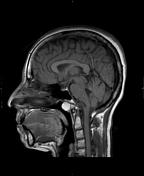
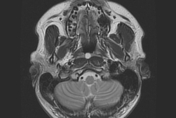
Cysts of Rathke’s pouch, pharyngeal bursa of Luschka, Tornwaldt’s cysts, retentional cysts of the seromucinous glands

 Tornwaldt cyst (also spelled as a Thornwaldt cyst or Thornwald cyst) is a common incidental benign midline nasopharyngeal mucosal cyst.

The lesion is developmental and usually asymptomatic. In most cases it is found incidentally; as such, age of diagnosis typically represents age of imaging of the nasopharynx. Peak incidence has been variably reported between the ages of 15 and 60 years of age 1,3, which may be due to gradual accumulation of fluid in the cyst following obliteration of its neck.

A Tornwaldt cyst has an autopsy prevalence of approximately 4%, with no gender predilection 3. These incidence found at autopsy studies in 1950s and 60s differs from findings in a recent incidence study using CT and/or MR, demonstrating incidence of only 0.06% 7. The reason for this discrepancy is unclear.

Tornwaldt cysts are almost always asymptomatic. However, if they become infected they can cause halitosis or periodic discharge of foul tasting fluid into the mouth. Some may present with otitis media due to obstruction of the Eustachian tube. A symptomatic cyst is also called Tornwaldt disease 7,8.

Tornwaldt cysts are classified as crusting and cystic 8. They form as a result of retraction of the notochord where it contacts with the endoderm of the primitive pharynx.

This is believed to happen at about the 10th week of embryonic development. Closure at the orifice results in so called cystic type, while crusts adhering to the orifice without closing result in crust type 8. The cyst is lined by respiratory epithelium and accumulates with fluid with variable proteinaceous content, inflammation can occur due to obstruction.

Rarity section contains a report of Tornwaldt cyst formation following concurrent chemoradiotherapy for nasopharyngeal carcinoma 6.

These lesions have a characteristic appearance and should usually not be confused with more sinister pathology. Typically they are well circumscribed rounded lesions immediately deep to the mucosa. They are usually nestled between and anterior to the longus colli muscles they elevate the mucosa forming a convex surface into the nasopharynx. They are variable in size, ranging from a few millimeters to a few centimeters in diameter, but are typically 2-10 mm in size 1,3. 

On CT they appear as well circumscribed low density (fluid density centrally) and are nonenhancing. If the fluid is protein rich, then it may be hyper-attenuating and even mimic a solid lesion.

Similarly, MRI demonstrates these cysts as being well circumscribed with a thin wall.

  • T1: signal is variable depending of protein content
  • T2: high signal 
  • T1 C+ (Gd): no enhancement

Asymptomatic lesions require no treatment. If treatment is required then de-roofing the cyst (marsupialisation) is usually sufficient, and can be performed via a transnasal approach 4.

It is named after Gustav Ludwig Tornwaldt, German physician, 1843-1910 5.

Cases and figures


  • Thornwaldt cyst
  • Δευτέρα 28 Δεκεμβρίου 2020

    Medical Sciences

    Environmental practices and serum Vitamin D deficiency
    Mohammed Ibn-Mas&#39;ud Danjuma

    Libyan Journal of Medical Sciences 2020 4(4):157-158


    Provision of pharmaceutical services in time of COVID-19 crisis: A libyan vision
    Amal Yousef Benkorah

    Libyan Journal of Medical Sciences 2020 4(4):159-163

    Pharmaceutical services play a crucial role in any health system. Pharmacists are the main health professionals to ensure that people have access to good and safe medicines and to make certain that these medicines are used rationally. While the role of pharmacists in providing health-care services in Libya remains restricted, the scope of pharmacy practice is vast and encompasses a variety of roles and functions. Most of today&#39;s pharmacists&#39; services are oriented toward clinical outcomes using medicines. Therefore, pharmacists are focusing on optimizing the use of medications, promoting health, wellness, and preventing diseases. Pharmaceutical services are currently being tailored to be event driven to fit the current COVID-19 pandemic crisis and to help combat this disease and its consequences. This article discusses different pharmaceutical services that can be provided by pharmacists in all practice settings, for the Libyan healthcare system and to the society in general during COVID-19 crisis.


    Insulin analogs versus human insulins for the management of diabetes: An evidence-based review
    Mohsen S Eledrisi

    Libyan Journal of Medical Sciences 2020 4(4):164-168

    Insulin analogs are preferred by many physicians over human insulins in the management of Type 1 diabetes and in patients with Type 2 diabetes who require insulin. Insulin analogs have a pharmacological profile that is close to the normal physiological action of insulin. There is a notion among some clinicians that insulin analogs offer advantages over human insulins, including better glucose control, less hypoglycemia, and flexibility. A large number of clinical studies, along with systematic reviews, have compared insulin analogs to human insulins in regard to glucose control, rates of hypoglycemia, quality of life, and cost-effectiveness. For Type 1 diabetes, rapid-acting insulin analogs offer better glucose control and less rates of hypoglycemia compared to regular human insulin. Long-acting basal insulins result in less nocturnal hypoglycemia compared to neutral protamine Hagedorn (NPH) insulin but no difference in glucose control in patients with Type 1 diabetes. For patients with Type 2 diabetes, rapid-acting insulins offer no advantage for glucose control or rates of hypoglycemia when compared to regular insulin. There was only a reduction in rates of nocturnal hypoglycemia with no difference in glucose control with the use of basal insulin analogs compared to NPH insulin in Type 2 diabetes. The cost of insulin analogs is considerably higher than human insulins and favorable cost-effectiveness was only demonstrated with rapid-acting insulin analogs in Type 1 diabetes. The available evidence does not support the routine use of insulin analogs over human insulins. There are only few situations where insulin analogs have shown clear benefit over human insulin. In a large percentage of patients cost consideration and lack of better glucose control would favor the use of human insulins.


    Serum Vitamin D levels and associated risk factors among libyan females living in Tripoli, Libya: A cross-sectional study
    Manal Hassan Al-Graiw, Marwan Mustafa Draid, Aisha Muftah Zaidi, Huda Hassan Al-Griw

    Libyan Journal of Medical Sciences 2020 4(4):169-173

    Background: Vitamin D deficiency is a worldwide health problem and has been associated with religion, faith, caste, education, and socioeconomic status. Scientific evidence indicates that adequate levels of Vitamin D have important implications for the management of health problems. Aim: The aim of this study is to investigate the prevalence of Vitamin D deficiency and associated risk factors among Libyan females. Patients and Methods: This cross-sectional study included 262 female patients presented with nonspecific musculoskeletal and bone pain at Seoul Hospital in Tripoli, Libya. Vitamin D status was measured and risk factors for Vitamin D deficiency were assessed. Results: The mean age &#177; standard error of mean (SEM) of participants was 40.8 &#177; 0.9 years (range 18-80 years). In general, approximately 87.7&#37; of the patients (n &#61; 262) have serum Vitamin D concentrations below normal (&#60;30 ng/mL). The mean serum 25-hydroxyvitamin D (25(OH)D) concentration of patients was 13.98 &#177; 10.2 ng/ml. About 50.8&#37; had 25(OH)D-levels &#60;10 ng/mL which is characterized as severe Vitamin D deficiency, 27.5&#37; had 25(OH)D-levels &#60;20 ng/ml, defined as Vitamin D deficiency. About 9.1&#37; of patients had insufficient Vitamin D, and only 12.6&#37; had sufficient Vitamin D status defined as 25(OH)D-levels &#8805;30 ng/ml. Conclusions: Our data show that patients with generalized body aches, fatigue, and nonspecific bone pains, all have a significant relationship with Vitamin D deficiency strongly related to risk factors such as inadequate exposure to sunlight, wearing covering clothes, niqab, hijab, low dietary Vitamin D intake, and Vitamin D supplementation.


    Medical waste management in dental clinics in Tripoli/Libya
    Rema A. E Shampe, Raga A Elzahaf, Madi Tawfiq Abd-Elwali Al-Jaghbir, Abdelkader Battah

    Libyan Journal of Medical Sciences 2020 4(4):174-178

    Background: Dental clinics are important and essential for the health and safety of individuals in the community and they are indispensable for the provision of medical and therapeutic services for the diagnosis of oral diseases, gum and teeth. As important as the other health centers, good and appropriate management of medical waste in dental clinics is very important to ensure safety for staff in the clinic. Objectives: Evaluating the level of medical waste management in dental clinics in Tripoli/ Libya. Methods: A cross-sectional study was conducted on 201 respondents: dentists, nurses, and assistants dentist chosen from 67 clinics out of 135 clinics. A questionnaire was used to two sections. The data were analyzed by using the IBM Statistical Package for Social Sciences (IBM SPSS) software, version 19.0 (SPSS Inc.). Results: 39.8&#37; of respondents who were separating contaminated blood from non-contaminated waste and 82.1&#37; of respondent&#39;s disposal liquid waste such as blood and saliva through the sewage network. However, there was no statistically significant difference in medical waste management between male and female dental staff in Tripoli, Libya (t &#61; 0.376, P &#61; 0.170). Conclusions: The methods of medical waste management practiced in the most dental clinics were inappropriate. The study demonstrated that there was lack of knowledge among workers in dental clinics regarding the disposal procedures and dealing with waste. Therefore, it is necessary to re-assess safety protocols by authorities and intervene quickly by introducing spread awareness of health and safety in dental clinics and in forcing regulations.


    Assessment of patient safety culture in benghazi children's hospital from the viewpoint of nursing staff
    Ainas Salem Eltarhuni, Hajir Omar Tawfeeq, Jebril S El-Abidi

    Libyan Journal of Medical Sciences 2020 4(4):179-183

    Background: patient safety is a critical component of health-care quality, and it is considered as an important issue worldwide. This study aimed to assess patient safety culture (PSC) among nurses and to investigate the areas of deficiencies for improvement. Methods: A descriptive cross-sectional study was conducted on nurses working at Benghazi Children&#39;s Hospital. A self-administered questionnaire containing 12 dimensions was used to assess the Hospital Survey on PSC including patient safety grade and number of events reported. Results: Only 87 of the total 118 distributed questionnaires were returned, giving a response rate of 73.7&#37;. The overall positive response rate of PSC was 47&#37;. The dimension with the highest positive score and considered areas of strength were teamwork within units (72&#37;). The dimension with the lowest percentage of positive response rate was nonpunitive response to error (30&#37;). Conclusion: Improving PSC should be a priority among hospital administrators. Staff should be encouraged to report errors spontaneously and without any fear.


    Variation in the branching pattern of the anterior branches of the external carotid artery
    Mohamed Elsllabi, Sabri Garoushi, Khaled Aneiba, Osama A Tashani

    Libyan Journal of Medical Sciences 2020 4(4):184-187

    Background/Aim: External carotid artery (ECA) shows a variable branching pattern of its stemming vessels. The aim of this study was to investigate the variations in the origin of the three primary anterior branches of the ECA: superior thyroid artery (STA), lingual artery (LA), and facial artery (FA). Methods: The branching pattern of the ECA was studied on 15 Thiel embalmed cadavers of Scottish population (7 males and 8 females). The carotid triangle was dissected bilaterally to uncover the common carotid artery (CCA), internal carotid artery and ECA. The level of carotid artery bifurcation (CB) was located. Variation of the branching patterns of the ECA was assessed. Moreover, the distances between the origin sites of these vessels and the site of the CB were measured. Results: The STA was found to arise more frequently from the ECA (60&#37;) than from the CCA (40&#37;), with no differences in distribution between sexes or sides. Regarding the assessment of the branching patterns of the ECA, the specimens where the STA, LA, and FA emerged as individual branches were 90&#37; of cases, linguofacial trunk cases were 6.7&#37;, and thyrolinguofacial trunk cases were 3.3&#37;. The distances from the vessel origin site to the CB were found to be 8.11 &#177; 2.77 mm, 19.38 &#177; 8.85 mm, and 27.95 &#177; 10.15 mm, for the STA, LA, and FA, respectively. Conclusions: The current findings have confirmed that the ECA branching pattern is highly variable in Thiel embalmed cadavers of Scottish population. Therefore, considering some radiological imaging before conducting any invasive procedure in the neck region could be vital to prevent iatrogenic injuries.


    Pro-inflammatory cytokine profile of pulmonary tuberculosis patients in central hospital, Agbor Nigeria
    Clement Ndudi Isibor, Racheal O Okojie, Endurance A Ophori, Solomon E Omonigho

    Libyan Journal of Medical Sciences 2020 4(4):188-191

    Background: The aim is to determine the pattern of cytokines secretion by assessing interleukins (IL-1, IL-6, and tumor necrosis factor-alpha (TNF-&#945;) in pulmonary tuberculosis patients. Materials and Methods: A cross-sectional study was conducted on 146 consecutive (54 males and 92 females) sputum positive for tuberculosis and 38 apparently healthy age- and sex-matched sputum negative for tuberculosis as control were recruited between May 2016 and June 2017. A volume of 5 mL of blood samples was collected for the determination of serum IL-1, IL-6 and TNF-&#945; using the ELISA method. Results: There was a higher cytokine mean &#177; standard error of the mean for tuberculosis subjects (95.77 &#177; 6.68 pg/mL; 107.54 &#177; 14.76 pg/mL, 122.09 &#177; 16.55 pg/ml) and controls (79.88 &#177; 3.53 pg/ml; 78.35 &#177; 6.82 pg/ml; 94.11 &#177; 14.08 pg/ml) for interleukin-1, interleukin-6, and TNF-&#945;, respectively, when compared. There was strong correlation between mean values of IL-6 and TNF-&#945; (r &#61; 0.72315, P &#60; 0.05). There was significance difference (P &#60; 0.05) observed in the mean serum concentrations of cytokines among the genders (P &#60; 0.05). Conclusion: The study revealed that IL-1, IL-6, TNF-&#945; are important biological markers for tuberculosis disease.


    Primary salivary gland lymphomas: A case series
    Sohaila Fatima, Rabab Nasir Mohamed Badri, Wajih Ahmed Siddiqui, Abdulrahman Alshehri

    Libyan Journal of Medical Sciences 2020 4(4):192-195

    Salivary gland lymphomas are rare, constituting 1.7&#37; of all salivary gland neoplasms. They are uncommon before 50 years of age predominantly involving parotid gland. The most common histopathological forms of non Hodgkin lymphoma include mucosa associated lymphoid tissue lymphoma followed by follicular lymphoma and diffuse large B cell lymphoma. A retrospective study was conducted in a tertiary health care centre over a span of six years on patients with salivary gland lymphomas. Their clinicopathological features, staging and treatment modalities were determined. The mean age was 63.3 years with four males and two females. All patients had parotid gland involvement with one showing simultaneous involvement of submandibular gland. Histopathologically there were three cases of low grade B-cell lymphoma, two cases of high grade lymphoma and one case of Hodgkin lymphoma. Three patients were found in early stage and three in advanced stage disease. Lymphomas must be considered in the differential diagnosis of a salivary gland swelling although they are quite uncommon. They predominantly involve parotid gland. The selection of treatment modalities is based on histologic subtyping and staging of lymphoma with better prognosis as compared to other extranodal non Hodgkin lymphoma.


    A rare cause of hypocalcemia: Hypoparathyroidism, sensorineural deafness, and renal disease syndrome
    Sufyan Benamer, Paul Jennings

    Libyan Journal of Medical Sciences 2020 4(4):196-197

    Hypocalcemia is a common electrolyte disturbance with a variety of causes. Hypoparathyroidism, sensorineural deafness, and renal disease (HDR) syndrome is a rare autosomal-dominant genetic disorder characterized by hypoparathyroidism, sensorineural deafness, and renal disease. This is a case presentation of HDR syndrome that had been referred to a hospital with hypocalcemia. This case has a unique feature as it has been diagnosed in adult age because usually HDR syndrome is diagnosed in pediatric age group.


    #
    Medicine by Alexandros G. Sfakianakis,Anapafseos 5 Agios Nikolaos 72100 Crete Greece,00302841026182,00306932607174,alsfakia@gmail.com,
    Telephone consultation 11855 int 1193,
    Κυριακή 27 Δεκεμβρίου 2020

    Dexmedetomidine Provides Cardioprotection During Early or Late Reperfusion Mediated by Different Mitochondrial K+-Channels

    xloma.fota13 shared this article with you from Inoreader
    imageBackground: Cardioprotective interventions—such as pharmacological postconditioning—are a promising strategy to reduce deleterious consequences of ischemia and reperfusion injury (I/RI) in the heart, especially as timing and onset of myocardial infarction are unpredictable. Pharmacological postconditioning by treatment with dexmedetomidine (Dex), an α2-adrenoreceptor agonist, during reperfusion protects hearts from I/RI, independently of time point and duration of application during the reperfusion phase. The mitochondrial ATP-sensitive K+ (mKATP) and mitochondrial large-conductance calcium-sensitive potassium channel (mBKCa) play a pivotal role in mediating this cardioprotective effect. Therefore, we investigated whether Dex-induced cardioprotection during early or late reperfusion is mediated variously by these mitochondrial K+-channels. METHODS: Hearts of male Wistar rats were randomized into 8 groups and underwent a protocol of 15 minutes adaption, 33 minutes ischemia, and 60 minutes reperfusion in an in vitro Langendorff-system. A 10-minute treatment phase was started directly (first subgroup, early reperfusion) or 30 minutes (second subgroup, late reperfusion) after the onset of reperfusion. Control (Con) hearts received vehicle only. In the first subgroup, hearts were treated with 3 nM Dex, 100 µM mKATP-channel blocker 5-hydroxydecanoate (5HD) or 1 µM mBKCa-channel blocker Paxilline (Pax) alone or with respective combinations (5HD + Dex, Pax + Dex). Hearts of the second subgroup received Dex alone (Dex30') or in combination with the respective blockers (5HD + Dex30', Pax + Dex30'). Infarct size was determined with triphenyltetrazoliumchloride staining. Hemodynamic variables were recorded during the whole experiment. RESULTS: During early reperfusion (first subgroup), the infarct size reducing effect of Dex (Con: 57% ± 9%, Dex: 31% ± 7%; P
    View on the web

    Αρχειοθήκη ιστολογίου