Κυριακή 10 Απριλίου 2022

Status of IDH mutations in chondrosarcoma of the jaws

alexandrossfakianakis shared this article with you from Inoreader
The aim was to analyse the relationship between mutations of the isocitrate dehydrogenase gene (IDH) and clinical characteristics of chondrosarcoma of the jaw in order to provide new information on its molecular pathology. Tissue samples were collected from 25 patients diagnosed with chondrosarcoma of the jaw. IDH mutations were detected through polymerase chain reaction and direct sequencing. Clinicopathological data were analysed retrospectively. The study included 14 female and 11 male patients; the median patient age was 38 years. (Source: International Journal of Oral and Maxillofacial Surgery)
View on the web

Racial and rural–urban disparities in cardiovascular risk factors among patients with head and neck cancer in a clinical cohort

alexandrossfakianakis shared this article with you from Inoreader

Abstract

Background

Evidence on distribution of cardiovascular disease (CVD) risk factors in patients with head and neck squamous cell carcinoma (HNSCC) is limited. We assessed disparities in prevalence and incidence of CVD risk factors in patients with HNSCC.

Methods

Electronic health records (EHR) data on 2262 patients with HNSCC diagnosed between 2012 and 2018 at a NCI-designated cancer center were included. Prevalence of CVD risk factors at baseline and incidence at 1-year post HNSCC diagnosis were assessed using logistic and robust Poisson regression, respectively.

Results

At baseline, 31.72% white patients with HNSCC had dyslipidemia, compared to 24.29% blacks (p < 0.008); diabetes was more prevalent in blacks (p < 0.027). Odds of ≥1 prevalent CVD clinical risk factor at baseline was lower in blacks (OR, 95%CI: 0.71, 0.54–0.93) and in rural patients (OR, 95%CI: 0.70, 0.58–0.85). At 1 year, risk of incident diabetes was higher in rural patients (RR, 95%CI: 1.63, 1.21–2.19).

Conclusions

Demographic disparities were observed in distribution of CVD risk factors in patients with HNSCC.

View on the web

Efficacy, safety and prognostic factors of camrelizumab plus carboplatin and pemetrexed chemotherapy in advanced lung adenocarcinoma patients

alexandrossfakianakis shared this article with you from Inoreader
Efficacy, safety and prognostic factors of camrelizumab plus carboplatin and pemetrexed chemotherapy in advanced lung adenocarcinoma patients

Of 51 advanced lung adenocarcinoma patients with negative driver genes who received camrelizumab plus CP chemotherapy were recruited. Patients received 4 cycles of camrelizumab plus CP chemotherapy in a 21-day cycle. Then, camrelizumab, pemetrexed or camrelizumab plus pemetrexed was administered as maintenance therapy. The ORR and DCR were 58.8% and 78.4%, separately. The median PFS was 10.5 months (95%CI: 8.4–12.6 months) with 1-year PFS rate of 36.3% and 2-year PFS rate of 7.5%. Moreover, the median OS was 18.7 months (95%CI: 16.4–21.0 months) with 1-year OS rate of 79.1% and 2-year OS rate of 30.4%. Regarding safety, the commonly observed adverse events were mild and manageable.


Abstract

What is known and objective

Camrelizumab is a recently developed PD-1 inhibitor in China applied in treating different cancers including lung cancer. This study is designed to evaluate the efficacy, safety and prognostic factors for camrelizumab plus carboplatin and pemetrexed (CP) chemotherapy in treating patients with advanced lung adenocarcinoma.

Methods

Of 51 advanced lung adenocarcinoma patients with negative driver genes who received camrelizumab plus CP chemotherapy were recruited. These patients received four cycles of camrelizumab plus CP chemotherapy in a 21-day cycle. Then, camrelizumab, pemetrexed or camrelizumab plus pemetrexed was administered as maintenance therapy.

Results and discussion

The rates of complete response, partial response, stable disease and progressive disease were 2.0%, 56.8%, 19.6% and 5.9%, respectively; while treatment response of 15.7% of patients was missing or not evaluable. The objective response and disease control rates were 58.8% and 78.4%, respectively. With a median follow-up period of 14.9 months (the follow-up duration ranged from 3.9 months to 24.3 months), 41 (83.4%) cases of disease progression and 22 (43.1%) cases of death were recorded. The median progression-free survival (PFS) was 10.5 months (95% confidence interval (CI): 8.4–12.6 months) with a 1-year PFS rate of 36.3% and a 2-year PFS rate of 7.5%. In addition, the median overall survival (OS) was 18.7 months (95% CI: 16.4–21.0 months) with a 1-year OS rate of 79.1% and a 2-year OS rate of 30.4%. In consideration of safety, the most frequent adverse events were peripheral neuropathy (37.3%), neutropenia (37.3%), alopecia (35.3%), etc. a nd most of them were grade 1–2 and could be controlled.

What is new and Conclusion

Camrelizumab plus CP chemotherapy achieves favourable efficacy and tolerable adverse events in advanced lung adenocarcinoma patients.


View on the web

Fluorescent Carbon Dot-Supported Imaging-Based Biomedicine: A Comprehensive Review

alkiviadis.1961 shared this article with you from Inoreader

bca.banner.jpg

Carbon dots (CDs) provide distinctive advantages of strong fluorescence, good photostability, high water solubility, and outstanding biocompatibility, and thus are widely exploited as potential imaging agents for in vitro and in vivo bioimaging. Imaging is absolutely necessary when discovering the structure and function of cells, detecting biomarkers in diagnosis, tracking the progress of ongoing disease, treating various tumors, and monitoring therapeutic efficacy, making it an important approach in modern biomedicine. Numerous investigations of CDs have been intensively studied for utilization in bioimaging-supported medical sciences. However, there is still no article highlighting the potential importance of CD-based bioimaging to support various biomedical applications. Herein, we summarize t he development of CDs as fluorescence (FL) nanoprobes with different FL colors for potential bioimaging-based applications in living cells, tissue, and organisms, including the bioimaging of various cell types and targets, bioimaging-supported sensing of metal ions and biomolecules, and FL imaging-guided tumor therapy. Current CD-based microscopic techniques and their advantages are also highlighted. This review discusses the significance of advanced CD-supported imaging-based in vitro and in vivo investigations, suggests the potential of CD-based imaging for biomedicine, and encourages the effective selection and development of superior probes and platforms for further biomedical applications.
View on the web

Mechanism of Jujube (Ziziphus jujuba Mill.) Fruit in the Appetite Regulation Based on Network Pharmacology and Molecular Docking Method

alkiviadis.1961 shared this article with you from Inoreader

cmmi.banner.jpg

Objective. To investigate the mechanism of jujube (Ziziphus jujuba Mill.) in appetite regulation based on network pharmacology. Methods. The active components and action targets of jujube were retrieved through the TCMSP and TCMID databases. GeneCards, DisGeNet, Therapeutic Target Database, and OMIM were used to screen the related targets for appetite, appetite suppression, and appetite regulation, and the intersection target of the two was selected. A protein-protein interaction (PPI) network was constructed. Important protein nodes and subnets were predicted based on the cytoHubba plug-in, and the hub gene was screened. Additionally, GO and KEGG pathway analyses were performed to obtain potential biological processes and signaling pathways of key targets. And the active ingredient-target-act ion pathway diagram was constructed. Results. A total of 16 active components were screened from jujube, including 131 action targets related to appetite and appetite regulation. Three key targets (MAOA, MMP2, and HSPB1) were screened out by MCODE analysis. KEGG enrichment analysis was mainly enriched in neuroactive ligand-receptor interaction, serotonin-containing synapse, gap junction, cAMP signaling pathway, and dopaminergic synapse. Molecular docking results showed that the components coclaurine, (−)-catenin, (+)-stepholidine, berberine, cianidanol, coclaurine, and moupinamide in jujube had strong binding activity to the main targets (ESR1, ADRA2C, and MMP2). Conclusion. Based on network pharmacology, the appetite modulating effects of jujube on multiple components, targets, and channels were explored, and the main active components of jujube were predicted to act on multiple signaling pathways to regulate appetite. The molecular docking results showed that the components in j ujube had strong binding activity to the main targets, which provided new ideas and methods to further investigate the mechanisms of appetite regulation by jujube.
View on the web

Actinomyces Acute Rhinosinusitis Complicated by Subperiosteal Abscess in an Immunocompromised 12-Year-Old: Case Report and Literature Review

alkiviadis.1961 shared this article with you from Inoreader

criot.banner.jpg

Objective. To describe a rare case of pediatric actinomycotic rhinosinusitis with orbital subperiosteal abscess and review the current literature to assess methods of diagnosis, treatment modalities, and outcomes with appropriate treatment. Methods. A case report and a review of the literature. Results. A 12-year-old patient with Crohn's disease on infliximab presented with rhinosinusitis with orbital subperiosteal abscess formation. Endoscopic sinus surgery was performed and cultures grew actinomyces. A prolonged course of antibiotics was started, resulting in the complete resolution of the infection. In a literature review, all cases of uncomplicated and complicated actinomyces rhinosinusitis managed with appropriate surgery and prolonged antibiotics resulted in a cure. Our case is the first reported in a pediatric patient and the first taking immunosuppressive medication. Overall, only 3 cases of actinomyces rhinosinusitis in immunosuppressed individuals have been reported, each with uncontrolled diabetes and each also responded well to surgery and appropriate antibiotics. Conclusion. Actinomycosis of the paranasal sinuses poses a diagnostic challenge, with infections varying widely in presentation and extent of disease. A high index of suspicion, appropriate testing, and early aggressive treatment are critical in managing patients with this infection. Our case and prior published studies show that actinomyces rhinosinusitis can be successfully managed with endoscopic sinus surgery, abscess drainage as necessary, and a prolonged course of antibiotics, even in immunocompromised and pediatric populations.
View on the web

Πέμπτη 7 Απριλίου 2022

Guiding Principles for Surgical Pathways: A Tool for Improving Outcomes and Patient Safety

alkiviadis.1961 shared this article with you from Inoreader

869607_Thumb_400.jpg

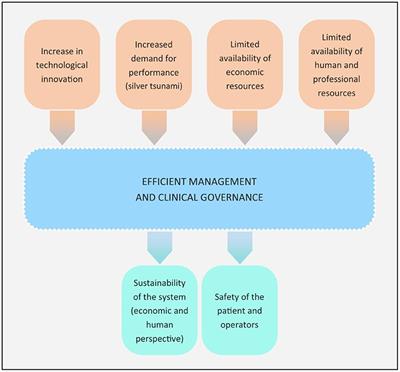
Surgical activity is an important aspect for the management of health and safety processes and from an organizational perspective is one of the most complex activities performed in hospitals. It is often a defining and high value feature for any healthcare facility while being one of the most high-risk procedures for patients with the highest number of avoidable adverse events. To ensure effective management of surgical pathways, they need to be considered from the perspective of clinical governance which ta kes a global approach to planning and management with the goal of improving safety and quality for patients. This paper contains the main features of this objective outlined within the document issued subsequent to the State-Regional Italian Government conference. This regulatory effort includes effective recommendations to make surgical pathways safer and more efficient with particular reference to lean management, patient blood management and patient safety.

View on the web

Αρχειοθήκη ιστολογίου