Κυριακή 19 Ιουνίου 2022

Vaccine effectiveness of CanSino (Adv5-nCoV) COVID-19 vaccine among childcare workers – Mexico, March–December 2021

alexandrossfakianakis shared this article with you from Inoreader
Abstract
Background
Beginning in March 2021, Mexico vaccinated childcare workers with a single-dose CanSino Biologics (Adv5-nCoV) COVID-19 vaccine. Although CanSino is currently approved for use in 10 Latin American, Asian, and European countries, little information is available about its vaccine effectiveness (VE).
Methods
We evaluated CanSino VE within a childcare worker cohort that included 1,408 childcare facilities. Participants were followed during March–December 2021 and tested through SARS-CoV-2 RT-PCR or rapid antigen test if they developed any symptom compatible with COVID-19. Vaccination status was obtained through worker registries. VE was calculated as 100% × (1−hazard ratio for SARS-CoV-2 infection in fully vaccinated vs. unvaccinated participants), using an Andersen-Gill model adjusted for age, sex, state, and local viral circulation.
Results
The cohort included 43,925 persons who were mostly (96%) femal e with a median age of 32 years; 37,646 (86%) were vaccinated with CanSino. During March–December 2021, 2,250 (5%) participants had laboratory-confirmed COVID-19, of whom 25 were hospitalized and 6 died. Adjusted VE was 20% (95% CI = 10–29%) against illness, 76% (42–90%) against hospitalization, and 94% (66–99%) against death. VE against illness declined from 48% (95% CI = 33–61) after 14–60 days following full vaccination to 20% (95% CI = 9–31) after 61–120 days.
Conclusions
CanSino vaccine was effective at preventing COVID-19 illness and highly effective at preventing hospitalization and death. It will be useful to further evaluate duration of protection and assess the value of booster doses to prevent COVID-19 and severe outcomes.
View on Web

The Staphylococcus aureus Network Adaptive Platform Trial protocol: New tools for an old foe

alexandrossfakianakis shared this article with you from Inoreader
Abstract
Staphylococcus aureus bloodstream (SAB) infection is a common and severe infectious disease, with a 90-day mortality of 15-30%. Despite this, fewer than 3000 people have been randomised into clinical trials of treatments for SAB infection. The limited evidence base partly results from clinical trials for SAB infections being difficult to complete at scale using traditional clinical trial methods. Here we provide the rationale and framework for an adaptive platform trial applied to SAB infections. We detail the design features of the Staphylococcus aureus Network Adaptive Platform (SNAP) trial that will enable multiple questions to be answered as efficiently as possible. The SNAP trial will commence enrolling patients across multiple countries in 2022 with an estimated target sample size of 7000 participants. This approach may serve as an exemplar to increase efficienc y of clinical trials for other infectious diseases syndromes.
View on Web

Population immunity to pre-Omicron and Omicron SARS-CoV-2 variants in US states and counties through December 1, 2021

alexandrossfakianakis shared this article with you from Inoreader
Abstract
Background
Both SARS-CoV-2 infection and COVID-19 vaccination contribute to population-level immunity against SARS-CoV-2. This study estimates the immunological exposure and effective protection against future SARS-CoV-2 infection in each US state and county over 2020-2021, and how this changed with the introduction of the Omicron variant.
Methods
We used a Bayesian model to synthesize estimates of daily SARS-CoV-2 infections, vaccination data and estimates of the relative rates of vaccination conditional on infection status to estimate the fraction of the population with (i) immunological exposure to SARS-CoV-2 (ever infected with SARS-CoV-2 and/or received one or more doses of a COVID-19 vaccine), (ii) effective protection against infection, and (iii) effective protection against severe disease, for each US state and county from January 1, 2020, to December 1, 2021.
Results
The estimated percentage of the US populati on with a history of SARS-CoV-2 infection or vaccination as of December 1, 2021, was 88.2% (95% Credible Interval (CrI): 83.6%-93.5%). Accounting for waning and immune escape, effective protection against the Omicron variant on December 1, 2021, was 21.8% (95%CrI: 20.7%-23.4%) nationally and ranged between 14.4% (95%CrI: 13.2%-15.8%, West Virginia) to 26.4% (95%CrI: 25.3%-27.8%, Colorado). Effective protection against severe disease from Omicron was 61.2% (95%CrI: 59.1%-64.0%) nationally and ranged between 53.0% (95%CrI: 47.3%-60.0%, Vermont) and 65.8% (95%CrI: 64.9%-66.7%, Colorado).
Conclusions
While over four-fifths of the US population had prior immunological exposure to SARS-CoV-2 via vaccination or infection on December 1, 2021, only a fifth of the population was estimated to have effective protection against infection with the immune-evading Omicron variant.
View on Web

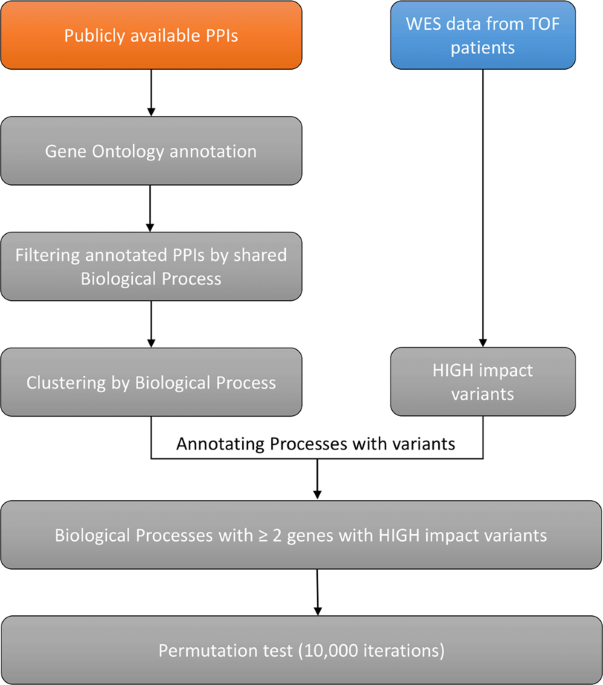
Joint analysis of functionally related genes yields further candidates associated with Tetralogy of Fallot

alexandrossfakianakis shared this article with you from Inoreader

10038_2022_1051_Fig1_HTML.png

View on Web

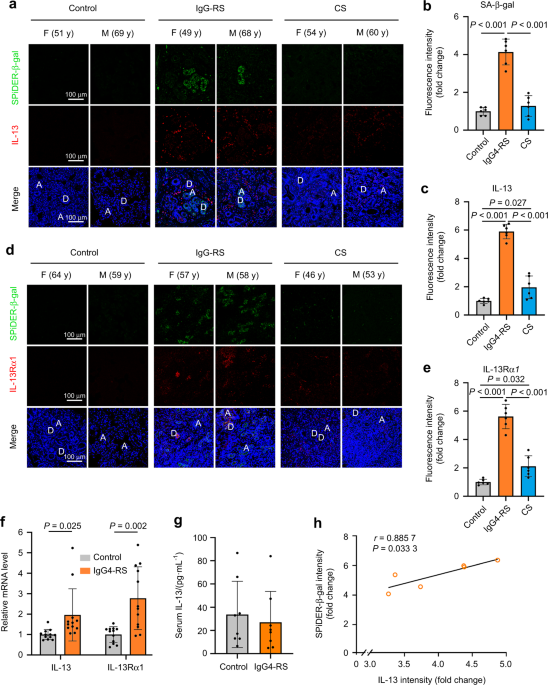
Interleukin-13 promotes cellular senescence through inducing mitochondrial dysfunction in IgG4-related sialadenitis

alexandrossfakianakis shared this article with you from Inoreader

41368_2022_180_Fig1_HTML.png

View on Web

Πέμπτη 16 Ιουνίου 2022

Comparison of the efficacy of periodontal prognostic systems in predicting tooth loss

alexandrossfakianakis shared this article with you from Inoreader

Abstract

Aim

The aim of this analysis was to assess how different tooth-prognosis systems could predict tooth loss in a cohort of periodontitis patients followed up prospectively during supportive periodontal care (SPC).

Materials and Methods

Clinical and radiographic data of 97 patients undergoing regular SPC for 5 years were used to assign tooth prognosis using four different systems (McGuire & Nunn, 1996; Kwok & Caton, 2007; Graetz et al., 2011; Nibali et al., 2017). Three independent examiners assigned tooth prognosis using all four systems, following a calibration exercise. The association between prognostic categories and tooth loss was tested for each prognostic system separately and across prognostic systems.

Results

All four systems showed good reproducibility and could identify teeth at higher risk of being lost during 5 years of SPC; the risk of tooth loss increased with the worsening of tooth-prognosis category (p < .0001). Although specificity and negative predictive values were good, low sensitivity and positive predictive values were detected for all systems.

Conclusions

Previously published periodontal prognostic systems exhibited good reproducibility and predictive ability for tooth retention. However, low sensitivity was detected, with several teeth in the worst prognosis category being retained at 5 years. Some modifications in the number of categories and their definitions are suggested.

View on Web

MOLECULAR ASPECTS OF OMICRON, VACCINE DEVELOPMENT AND RECOMBINANT STRAIN XE: A REVIEW

alexandrossfakianakis shared this article with you from Inoreader

ABSTRACT

The global pandemic of COVID-19 began in December 2019 and is still continuing. The past 2 years have seen the emergence of several variants that were more vicious than each other. The emergence of Omicron (B.1.1.529) proved to be a huge epidemiological concern as the rate of infection of this particular strain was enormous. The strain was identified in South Africa on November 24, 2021 and was classified as a 'Variant of Concern' on November 26, 2021. The Omicron variant possessed mutations in the key RBD region, the S region, thereby increasing the affinity of ACE2 for better transmission of the virus. Antibody resistance was found in this variant and it was able to reduce vaccine efficiency of vaccines. The need for a booster vaccine was brought forth due to the prevalence of the Omicron variant and, subsequently, this led to targeted research and development of variant-specific vaccines and booster dosage. This review discusses broadly the genomic ch aracters and features of Omicron along with its specific mutations, evolution, antibody resistance, and evasion, utilization of CRISPR-Cas12a assay for Omicron detection, T-cell immunity elicited by vaccines against Omicron, and strategies to decrease Omicron infection along with COVID-19 and it also discusses on XE recombinant variant and on infectivity of BA.2 subvariant of Omicron.

This article is protected by copyright. All rights reserved.

View on Web

Αρχειοθήκη ιστολογίου