Πέμπτη 14 Ιουλίου 2022

Changes in the occlusal function of orthognathic patients with vertical malformations after combined orthodontic surgical therapy: a prospective clinical study

alexandrossfakianakis shared this article with you from Inoreader
The aim of this study was to assess the changes in occlusal patterns during combined surgical and orthodontic therapy in patients with vertical jaw malformations. Twenty-six orthognathic patients (18 female, eight male; median age 25 years, interquartile range 11.5 years) and 10 control patients (five female, five male; median age 29.8 years, interquartile range 13.5 years) recruited from neutral configured patients attending the Department of Orthodontics, were investigated. Based on cephalometry, the patients were grouped into vertical skeletal configurations of either open, deep, or natural bite cases. (Source: International Journal of Oral and Maxillofacial Surgery)
View on Web

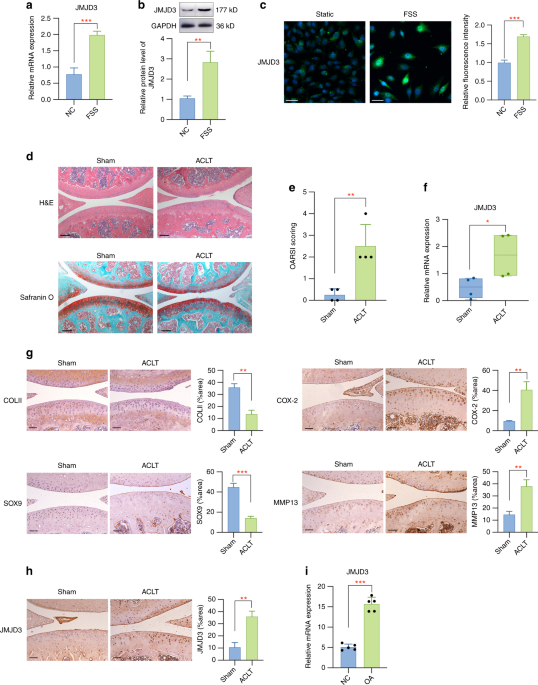
Histone demethylase JMJD3 downregulation protects against aberrant force-induced osteoarthritis through epigenetic control of NR4A1

alexandrossfakianakis shared this article with you from Inoreader

41368_2022_190_Fig1_HTML.png

View on Web

“Inhaled Zanamivir versus Oral Oseltamivir to Prevent Influenza-related Hospitalization or Death: A Nationwide Population-based Quasi-experimental Study”

alexandrossfakianakis shared this article with you from Inoreader
to the editor—In their recent article, Su et al compared the effectiveness of inhaled zanamivir and oral oseltamivir for influenza patients in a quasi-experimental cohort study using population-based National Health Insurance Research Database [1]. They found that prescribing zanamivir for clinically diagnosed influenza patients within 48 hours was not inferior to oseltamivir in terms of the risk of subsequent influenza-related hospitalization and death. In addition to the limitations mentioned by the authors, we would like to share some ideas regarding the study design as well as further investigations that would be of interest to the readers.
View on Web

PP1 catalytic isoforms are differentially expressed and regulated in human prostate cancer

alexandrossfakianakis shared this article with you from Inoreader

1-s2.0-S0014482722X00141-cov150h.gif

Publication date: Available online 14 July 2022

Source: Experimental Cell Research

Author(s): Juliana Felgueiras, João Lobo, Vânia Camilo, Isa Carneiro, Bárbara Matos, Rui Henrique, Carmen Jerónimo, Margarida Fardilha

View on Web

Pediatric Button Battery Injuries—Current State and What’s Next?

alexandrossfakianakis shared this article with you from Inoreader

jamanetwork.com

The study by Philteos et al in this issue of JAMA Otolaryngology–Head & Neck Surgery is a systematic review of published cases of airway injury among pediatric patients who ingested button batteries (BBs). Although these types of severe complications associated with BB ingestion have been previously reported, to date this is the largest review focused on airway injuries. Given the direct proximity of the esophagus and the trachea, airway injury is a possible risk in cases of BB ingestion. The authors' review of the literature and data from the National Capital Poison Center (NCPC) database yielded 195 cases total. The mean age at BB ingestion was 17.8 months, and the mean time between ingestion and removal was 5.8 days. The duration of impaction is difficult to precisely determine because many ingestions are unwitnessed and have a delayed diagnosis. Button batteries at least 20 mm in diameter (with lithium chemistry) are more likely to become impacted in the pediatric esophagus, but smaller BBs (including those with nonlithium chemistry) also pose a substantial risk; 11% of the injury cases with known BB diameters in this report involved BBs smaller than 20 mm, with the smallest diameter being 10 mm. Tracheoesophageal fistula (TEF), a life-threatening complication of BB ingestion, was found to be the most common airway injury (79%). Most TEFs required surgical management, and all 14 deaths reported TEF involvement. Other airway complications found included unilateral and bilateral vocal cord paralysis, subglottic stenosis, tracheal stenosis, and tracheomalacia. The use of injury mitigation strategies before or after BB removal was not assessed in this study, which is limited by the known underreporting of these cases to any data source. This review by Philteos et al describes complications from BB ingestion s associated with airway injury, invaluably highlighting a significant source of pediatric morbidity and mortality.
View on Web

Cervical Pneumatocele Following Total Thyroidectomy Presenting as an Air Thyrogram

alexandrossfakianakis shared this article with you from Inoreader

jamanetwork.com

This case report describes a woman in her 30s who presented with delayed cervical pneumatocele after thyroidectomy.
View on Web

Thyroid Surgeries in Asymptomatic Patients

alexandrossfakianakis shared this article with you from Inoreader

jamanetwork.com

In this issue of JAMA Otolaryngology−Head & Neck Surgery, Dr Sajisevi and colleagues report the findings of a retrospective analysis of 1328 patients in 16 centers in 4 countries who underwent thyroid surgery for thyroid pathology in 2019. Patients were classified by the mode of detection of the thyroid findings that led to surgery: endocrinopathic condition, patient-requested screening, clinician-screening physical examination, radiologic serendipity, diagnostic cascade, symptomatic thyroid disease, and under surveillance. The primary outcomes were the mode of detection and the proportion and size of thyroid cancers discovered in patients who were asymptomatic. The authors found that 41% of patients were asymptomatic at the time of the detection of the thyroid condition, while 34% of patients had structural thyroid symptoms at the time of detection. The remaining 25% of patients were either under surveillance for known thyroid pathology, such as thyroid nodules, or had an endocrinopathic condition, such as hyperthyroidism, hyperparathyroidism, or multiple endocrine neoplasia syndrome. Of the 1328 cases, 613 (46%) revealed thyroid cancer. The authors also found that 51% of these cancers were in asymptomatic patients, while only 30% were in symptomatic patients. Finally, the mean tumor size was significantly larger in symptomatic compared with asymptomatic patients (3.2 cm vs 2.1 cm).
View on Web

Αρχειοθήκη ιστολογίου