Πέμπτη 28 Ιουλίου 2022

STATIN USE MAY BE ASSOCIATED WITH A LOWER RISK OF INVASIVE ASPERGILLOSIS IN LUNG TRANSPLANT RECIPIENTS

alexandrossfakianakis shared this article with you from Inoreader
Abstract
Background
Statins are competitive inhibitors of HMG-CoA reductase that catalyses HMG-CoA conversion to mevalonate, a process involved in synthesizing cholesterol in humans and ergosterol in fungi. The effect of statin use on the risk of development of invasive aspergillosis (IA) in lung transplant recipients (LTRs) is not well documented.
Methods
This retrospective study included LTRs from 2010 to 2017 who were followed for one-year post-transplant. Proven or probable IA was diagnosed as per ISHLT criteria. We performed a multivariable Cox proportional hazards model of the association between IA and statin use (minimum of two weeks duration prior to IA), adjusting for other known IA risk factors.
Results
We identified 785 LTRs, 44% female, mean age 53 years old, the most common underlying disease being pulmonary fibrosis (23.8%). 451 LTRs (57%) received statins post-transplant, atorvastatin was the most commonly used statin (68%). The mean duration of statins post-transplant was 347 days (IQR: 305 to 346). 55 (7%) LTRs developed IA in the first-year post-transplant. Out of these 55 LTRs, 9 (16.3%) had received statin before developing IA. In multivariable analysis, statin use was independently associated with a lower risk of IA (p = 0.002, SHR 0.30, CI 95% 0.14-0.64). Statin use was also associated with a lower incidence of post-transplant Aspergillus colonization, 114 (34%) in the no statin group vs. 123 (27%) in the statin group (p = 0.038).
Conclusions
The use of statin for a minimum of two weeks during the first-year post-transplant was associated with a 70% risk reduction of IA in LTRs.
View on Web

Cross-platform analysis reveals cellular and molecular landscape of glioblastoma invasion

alexandrossfakianakis shared this article with you from Inoreader
Abstract
Background
Improved treatment of glioblastoma (GBM) needs to address tumor invasion, a hallmark of the disease that remains poorly understood. In this study, we profiled GBM invasion through integrative analysis of histological and single-cell RNA sequencing (scRNA-seq) data from ten patients.
Methods
Human histology samples, patient-derived xenograft mouse histology samples, and scRNA-seq data were collected from ten GBM patients. Tumor invasion was characterized and quantified at the phenotypic level using H&E and Ki-67 histology stains. Crystallin alpha B (CRYAB) and CD44 were identified as regulators of tumor invasion from scRNA-seq transcriptomic data and validated in vitro, in vivo, and in a mouse GBM resection model.
Results
At the cellular level, we found that invasive GBM are less dense and proliferative than their non-invasive counterparts. At the molecular level, we identified unique transcriptomic features that significantly contribute to GBM invasion. Specifically, we found that CRYAB significantly contributes to post-operative recurrence and is highly co-expressed with CD44 in invasive GBM samples.
Conclusions
Collectively, our analysis identifies differentially expressed features between invasive and nodular GBM, and describes a novel relationship between CRYAB and CD44 that contributes to tumor invasiveness, establishing a cellular and molecular landscape of GBM invasion.
View on Web

Genetic predisposition & evolutionary traces of pediatric cancer risk: A prospective 5-year population-based genome sequencing study of children with CNS tumors

alexandrossfakianakis shared this article with you from Inoreader
Abstract
Background
The etiology of central nervous system (CNS) tumors in children is largely unknown and population-based studies of genetic predisposition are lacking.
Methods
In this prospective, population-based study, we performed germline whole-genome sequencing in 128 children with CNS tumors, supplemented by a systematic pedigree analysis covering 3,543 close relatives.
Results
Thirteen children (10%) harbored pathogenic variants in known cancer genes. These children were more likely to have medulloblastoma (OR 5.9, CI 1.6-21.2) and develop metasynchronous CNS tumors (p=0.01). Similar carrier frequencies were seen among children with low-grade glioma (12.8%) and high-grade tumors (12.2%). Next, considering the high mortality of childhood CNS tumors throughout most of human evolution, we explored known pediatric-onset cancer genes, showing that they are more evolutionarily constrained than genes associated with risk of adult-onset malignancies (p=5e-4) and all other genes (p=5e-17). Based on this observation, we expanded our analysis to 2 986 genes exhibiting high evolutionary constraint in 141 456 humans. This analysis identified eight directly causative loss-of-functions variants, and showed a dose-response association between degree of constraint and likelihood of pathogenicity - raising the question of the role of other highly constrained gene alterations detected.
Conclusions
∽10% of pediatric CNS tumors can be attributed to rare variants in known cancer genes. Genes associated with high risk of childhood cancer show evolutionary evidence of constraint.
View on Web

Τετάρτη 27 Ιουλίου 2022

Pharmacokinetics of ribavirin in the treatment of Lassa fever: An observational clinical study at the Irrua Specialist Teaching Hospital, Edo State, Nigeria

alexandrossfakianakis shared this article with you from Inoreader
Abstract
Background
Lassa fever is endemic in large parts of West Africa. The recommended antiviral treatment is ribavirin. Two treatment regimens are currently endorsed in Nigeria: the "McCormick regimen" based on a study published in 1986 and the "Irrua regimen" constituting a simplified schedule developed at the Irrua Specialist Teaching Hospital (ISTH), Nigeria. Evidence for the safety and efficacy of ribavirin in Lassa fever patients is poor and pharmacokinetic data for both regimens are lacking.
Methods
PCR-confirmed Lassa fever patients with mild to moderate disease severity were invited to participate in this prospective, observational pharmacokinetic study. Pharmacokinetics of ribavirin, clinical, virologic, and clinical laboratory parameters were assessed.
Results
Using a population pharmacokinetic approach, plasma concentrations of ribavirin were best described by a three-compartment model. Drug exposure was remarkably consistent between participants. Overall, drug clearance was 28.5% lower in female compared to male participants. Median (5th-95th percentile) time above IC50 was 37.3% (16.9%-73.1%), 16.7% (8.2%-58.5%) and 9.6% (4.9%-38.4%) on days 1, 7 and 8, respectively. Clinical laboratory parameters indicated reduction of cell damage and development of hemolytic anemia in the course of the treatment period.
Conclusions
This observational study characterizes the pharmacokinetics of ribavirin in the treatment of Lassa fever indicating consistent exposure across patients. Whereas the only short time interval of concentrations above the IC50 implies rather low antiviral efficacy in vivo, the prominent reduction of cell damage markers might point to indirect – potentially anti-inflammatory – effects of ribavirin. The role of ribavirin in the treatment of Lassa fever requires further scrutiny.
View on Web

Neuropsychological, behavioral, and quality‐of‐life outcomes in children and adolescents with sickle cell disease treated with nonmyeloablative matched sibling donor hematopoietic cell transplantation: A case series

alexandrossfakianakis shared this article with you from Inoreader

Abstract

Background/objectives

Despite advances in the treatment of sickle cell disease (SCD), cerebrovascular and cognitive insults can have lifelong consequences. Hematopoietic cell transplantation (HCT) is an established curative therapy, and recent studies have demonstrated efficacy with reduced toxicity nonmyeloablative (NMA) regimens, but little is known about neuropsychological outcomes. The objective of this study was to describe neuropsychological, behavioral, and quality-of-life outcomes with medical correlates in children with SCD who received an NMA matched sibling donor (MSD) HCT.

Design/methods

Retrospective cohort analysis of nine recipients with hemoglobin SS SCD who underwent MSD HCT using the National Institutes of Health (NIH) NMA protocol.

Results

Mean full-scale intellectual functioning (FSIQ) was average pre-HCT (FSIQ = 92.1, SD 9.0; n = 8) and 2 years post-HCT (mean FSIQ = 96.6; SD 11.1; N = 9). Neuropsychological functioning was largely average across all cognitive domains, and no pre/post-HCT differences were found to be statistically significant given the small sample size. However, effect sizes revealed moderate improvements in processing speed (Cohen's d = .72) and verbal memory (Cohen's d = .60) post-HCT, and declines in measures of attention (Cohen's d = −.54) and fine motor speed and dexterity (Cohen's d = −.94). Parents endorsed better quality of life (Cohen's d = .91), less impact of SCD on their family, and less worry about their child's future (Cohen's d = 1.44).

Conclusion

Neuropsychological functioning in a sample of children and adolescents treated uniformly with NMA MSD HCT remained stable or improved in most cognitive domains, and improvements in quality of life and family functioning were observed.

View on Web

Pharmacokinetic and pharmacodynamic simulation for the quantitative risk assessment of linezolid‐associated thrombocytopenia

alexandrossfakianakis shared this article with you from Inoreader
Pharmacokinetic and pharmacodynamic simulation for the quantitative risk assessment of linezolid-associated thrombocytopenia

Utility of safety target achievement rate based on PK/PD simulation for predicting linezolid-induced thrombocytopenia-stratified on the duration of linezolid therapy.


Abstract

What Is Known and Objective

Linezolid (LZD) may cause thrombocytopenia, which can result in discontinuation of treatment. In this study, the blood LZD trough concentration was estimated based on population pharmacokinetic (PK) parameters derived from two previously published models in the Japanese population to determine the rate of achieving the target trough value when the risk of thrombocytopenia is low and to clarify its relationship with the onset of thrombocytopenia.

Methods

This study included adult patients hospitalized at Shimane University Hospital, who received LZD treatment for at least 4 days from January 2010 to December 2017. Patients whose platelet count fell below 70% before LZD administration were categorized as the thrombocytopenic group. Patient PK parameters were calculated based on the population PK models described by Matsumoto et al. and Sasaki et al., and these parameters were designated A and B, respectively. Based on these parameters, the rate of achieving an LZD trough concentration of less than 8 μg/ml, which is the safety target achievement rate, was calculated using a random simulation for each patient. We further analysed the association between the incidence of thrombocytopenia and patient factors, including safety target achievement rate, through univariate, multivariate, and receiver operating characteristic (ROC) analyses.

Results and Discussion

Patients (n = 77) aged 72 ± 11 years and weighing 56.7 ± 10.9 kg, with a creatinine clearance (CLcr) of 60.5 ± 47.2 ml/min and a cirrhosis prevalence of 9.1%, were analysed. All patients received LZD at a dose of 600 mg twice daily for a total of 10.9 ± 8.9 days. Univariate analyses revealed significant differences (p < 0.05) in the duration of LZD therapy, serum creatinine, creatinine clearance, LZD clearance, and the safety target achievement rate for parameters A and B between the thrombocytopenic and non-thrombocytopenic groups. A multivariate analysis of these factors stratified with the cutoff values obtained by ROC analysis revealed that the duration of LZD therapy and the safety target achievement rates for parameters A and B were significant factors (odds ratios for duration of LZD therapy: 7.436 [95% confidence interval (CI): 1.918–28.831] and 4.712 [95% CI: 1.567–14.163]; odds ratio for safe ty target achievement rate: 0.060 [95% CI: 0.016–0.232] and 0.167 [95% CI: 0.056–0.498] for parameters A and B, respectively). When the safety target achievement rates for patients treated with LZD were compared between the thrombocytopenic and non-thrombocytopenic groups, the safety target achievement rate was higher in the non-thrombocytopenic group in both the patients treated with LZD for less than 10 days and those for 10 days or more.

Therefore, the safety target achievement rate estimated by the PK/PD simulation may represent to be an important index for risk assessment of LZD-induced thrombocytopenia.

What Is New and Conclusion

The risk of LZD-induced thrombocytopenia, which increased with the duration of LZD therapy, may be predicted using the safety target achievement rate obtained by the blood concentration simulation.


View on Web

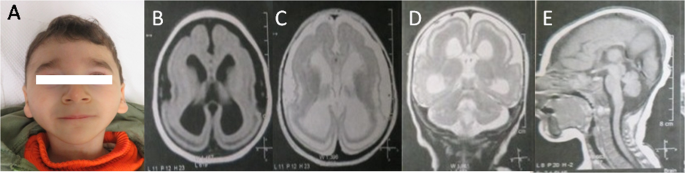
A homozygous loss-of-function variant in BICD2 is associated with lissencephaly and cerebellar hypoplasia

alexandrossfakianakis shared this article with you from Inoreader

10038_2022_1060_Fig1_HTML.png

View on Web

Αρχειοθήκη ιστολογίου