Τετάρτη 11 Ιανουαρίου 2023

The effects of cannabidiol on subjective states, cognition, and psychomotor function in healthy adults: A randomized clinical trial

alexandrossfakianakis shared this article with you from Inoreader

Abstract

Background

Despite being added to numerous products, little is known about cannabidiol. Drowsiness is a self-reported side effect, which could impact cognitive functioning.

Objectives

To determine whether cannabidiol impacts cognition and psychomotor function.

Methods

A volunteer sample of healthy, college students were recruited for this randomized, parallel-group, double-blind, feasibility trial from April-November 2021. Participants completed a baseline survey, the Stanford Sleepiness Scale, Visual Analog Mood Scale, Digit Symbol Substitution Test, Trail Making Test, Psychomotor Vigilance Test, and Simple Reaction Time tests. Participants were then randomized and allocated to receive 300mg cannabidiol oil (N=21) or placebo (N=19). After 120 minutes, participants retook the tests. Performance between groups was compared using Analysis of Covariance and multi-level Negative Binomial regression.

Results

Participants averaged 21 ± 3 years of age and 52% were female. Self-reported anxiety did not change post-treatment. Performances on the Stanford Sleepiness Scale, Visual Analog Mood Scale, and Psychomotor Vigilance test increased for both groups. After accounting for baseline scores, attention lapse duration significantly increased for those receiving cannabidiol compared to placebo in the Psychomotor Vigilance Test (76 msec vs. 66 msec; p=0.02). Auditory reaction time improved in the cannabidiol group versus placebo for one sound emitted during the Simple Reaction Time test (241 vs. 245 msec; p=0.02), but the number of early responses increased from 0.3 to 0.8 for those receiving cannabidiol.

Conclusions

While performance on most tests were similar between those receiving cannabidiol or placebo, cannabidiol might affect certain aspects of vigilance. More research and larger trials are needed.

View on Web

Association between exposure to combustion-related air pollution and multiple sclerosis risk

alexandrossfakianakis shared this article with you from Inoreader
Abstract
Background
Smoking and occupational pulmonary irritants contribute to multiple sclerosis (MS) development. We aimed to study the association between ambient air pollution and MS risk and potential interaction with the human leukocyte antigen (HLA)-DRB1*15:01 allele.
Methods
Exposure to combustion-related air pollution was estimated as outdoor levels of nitrogen oxides (NOx) at the participants' residence locations, by spatially resolved dispersion modelling for the years 1990–18. Using two population-based case-control studies (6635 cases, 8880 controls), NOx levels were associated with MS risk by calculating odds ratios (OR) with 95% confidence intervals (CI) using logistic regression models. Interaction between high NOx levels and the HLA-DRB1*15:01 allele regarding MS risk was calculated by the attributable proportion due to interaction (AP). In addition, a register study was performed comprising al l MS cases in Sweden who had received their diagnosis between 1993 and 2018 (n = 22 173), with 10 controls per case randomly selected from the National Population register.
Results
Residential air pollution was associated with MS risk. NOx levels (3-year average) exceeding the 90th percentile (24.6 µg/m3) were associated with an OR of 1.37 (95% CI 1.10–1.76) compared with levels below the 25th percentile (5.9 µg/m3), with a trend of increasing risk of MS with increasing levels of NOx (P <0.0001). A synergistic effect was observed between high NOx levels (exceeding the lower quartile among controls) and the HLA-DRB1*15:01 allele regarding MS risk (AP 0.26, 95% CI 0.13–0.29).
Conclusions
Our findings indicate that moderate levels of combustion-related ambient air pollution may play a role in MS development.
View on Web

A comprehensive evaluation of an animal model for Helicobacter pylori‐associated stomach cancer: Fact and controversy

alexandrossfakianakis shared this article with you from Inoreader

Abstract

Even though Helicobacter pylori infection was the most causative factor of gastric cancer, numerous in vivo studies failed to induce gastric cancer using H. pylori infection only. The utilization of established animal studies in cancer research is crucial as they aim to investigate the coincidental association between suspected oncogenes and pathogenesis as well as generate models for the development and testing of potential treatments. The methods to establish gastric cancer using infected animal models remain limited, diverse in methods, and showed different results. This study investigates the differences in animal models, which highlight different pathological results in gaster by literature research. Electronic databases searched were performed in PubMed, Science Direct, and Cochrane, without a period filter. A total of 135 articles were used in this study after a full-text assessment was conducted. The most frequent animal models used for gastric ca ncer were Mice, while Mongolian gerbils and Transgenic mice were the most susceptible model for gastric cancer associated with H. pylori infection. Additionally, transgenic mice showed that the susceptibility to gastric cancer progression was due to genetic and epigenetic factors. These studies showed that in Mongolian gerbil models, H. pylori could function as a single agent to trigger stomach cancer. However, most gastric cancer susceptibilities were not solely relying on H. pylori infection, and numerous factors are involved in cancer progression. Further study using Mongolian gerbils and Transgenic mice is crucial to conduct and establish the best models for gastric cancer associated H. pylori.

View on Web

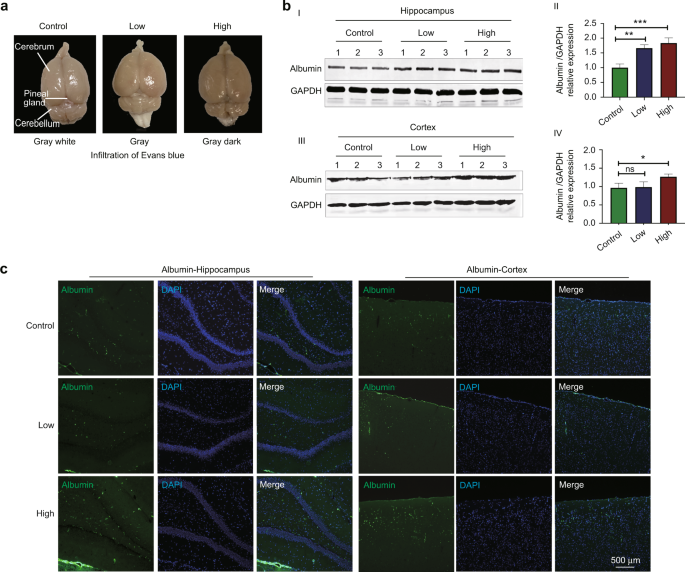
Porphyromonas gingivalis bacteremia increases the permeability of the blood-brain barrier via the Mfsd2a/Caveolin-1 mediated transcytosis pathway

alexandrossfakianakis shared this article with you from Inoreader

41368_2022_215_Fig1_HTML.png

International Journal of Oral Science, Published online: 12 January 2023; doi:10.1038/s41368-022-00215-y

Porphyromonas gingivalis bacteremia increases the permeability of the blood-brain barrier via the Mfsd2a/Caveolin-1 mediated transcytosis pathway
View on Web

Τρίτη 10 Ιανουαρίου 2023

A tooth‐supported titanium mesh bending and positioning module for alveolar bone augmentation and improving accuracy

alexandrossfakianakis shared this article with you from Inoreader

Abstract

Objective

Guided bone regeneration with titanium mesh is a commonly used bone augmentation technique. However, deformation and sliding may occur during the installation of titanium mesh, which may lead to poor accuracy of bone augmentation. This article presented three cases, which describe a tooth-supported titanium mesh bending and positioning module aiming to improve the precision of bone augmentation.

Clinical Considerations

After designing the ideal bone increment volume digitally, print out the difference bone module between the ideal and existing bone mass and one or two wings. The wings are supported by the adjacent teeth to show the ideal bone mass in the patients' mouth. Finally, the titanium mesh is bent and installed in the ideal position by the module.

Conclusions

A favorable outcome has been preliminarily confirmed in these cases, the average vertical bone gain was 4.16 mm and the average horizontal gain was 7.48 mm after 6 months. Using the module in the treatment of patients with bone augmentation can effectively improve the accuracy, the maximum deviation was 1.5 mm and the mean was 0.6 mm.

Clinical Significance

This study improves the bone augmentation technology with titanium mesh. The titanium mesh is fixed in the ideal position, which facilitates subsequent implantation and denture repair.

View on Web

Automated Detection of GlotticLaryngeal Carcinomain Laryngoscopic Images from a Multicenter Databaseusing a Convolutional Neural Network

alexandrossfakianakis shared this article with you from Inoreader

ABSTRACT

OBJECTIVE

Little is known about the efficacy of using artificial intelligence to identify laryngeal carcinoma from images of vocal lesions taken in different hospitals with multiple laryngoscope systems. This multicenter study aimed to establish an artificial intelligence system and provide a reliable auxiliary tool to screen for laryngeal carcinoma.

Study Design

Multicenter case-control study

Setting

Six tertiary care centers

Participants

Laryngoscopy images were collected from 2179 patients with vocal fold lesions.

Outcome Measures

An automatic detection system of laryngeal carcinoma was established and used to distinguish malignant and benign vocal lesions in 2179 laryngoscopy images acquired from 6 hospitals with 5 types of laryngoscopy systems. Pathological examination was the gold standard for identifying malignant and benign vocal lesions.

Results

Out of 89 cases in the malignant group, the classifier was able to correctly identify laryngeal carcinoma in 66 patients (74.16%, sensitivity). Out of 640 cases in the benign group, the classifier was able to accurately assess the laryngeal lesion in 503 cases (78.59%, specificity). Furthermore, the region-based convolutional neural network(R-CNN) classifier achieved an overall accuracy of 78.05%, with a 95.63% negative predictive and a 32.51% positive predictive value for the testing dataset.

Conclusion

This automatic diagnostic system has the potential to assist clinical laryngeal carcinoma diagnosis which may improve and standardize the diagnostic capacity of laryngologists using different laryngoscopes.

This article is protected by copyright. All rights reserved.

View on Web

Δευτέρα 9 Ιανουαρίου 2023

Overall and abdominal obesity and risks of all-cause and cause-specific mortality

alexandrossfakianakis shared this article with you from Inoreader
Abstract
Background
Studies found a J-shaped association between body mass index (BMI) and mortality. However, it is unclear whether the association is driven by biases, particularly confounding by fat-free mass.
Methods
We conducted an individual-level pooled analysis of three cohorts of Korean adults (aged ≥ 40 years; n = 153 248). Mortality was followed up through December 2019. Anthropometric data were directly measured at baseline. Fat and fat-free mass were predicted using validated prediction models. Using Cox proportional hazards models, we estimated the associations of BMI and waist circumference (WC) with all-cause and cause-specific mortality. To account for biases, we excluded participants aged ≥ 70 years, deaths that occurred within 5 years of follow-up and ever smokers, and adjusted for fat-free mass index (FFMI).
Results
During the follow-up of up to 18 years, 6061 deaths were identified. We observed J-shaped association of BMI (nadir at 22–26) and monotonically positive association of WC with all-cause, cardiovascular, and cancer mortality among Korean adults without a history of cancer or cardiovascular disease. In the BMI analysis, excluding ever smokers and adjusting for FFMI attenuated the excess mortality in underweight participants and transformed the J-shaped association into a monotonically positive shape, suggesting an increased mortality at BMI > 22.0. Excluding participants aged ≥ 70 years and deaths that occurred within 5 years of follow-up did not change the results. In the WC analysis, the monotonic positive associations did not change after the control. Similar results were observed among participants with a history of cancer or cardiovascular disease.
Conclusions
Our data suggest that both overall and abdominal body fat are associated with increased mortality in Korean adults.
View on Web

Αρχειοθήκη ιστολογίου