Τετάρτη 30 Μαρτίου 2022

Air polishing or hand and/or power-driven instruments in supportive periodontal therapy

paythelady.61 shared this article with you from Inoreader

shutterstock_2584741.jpg

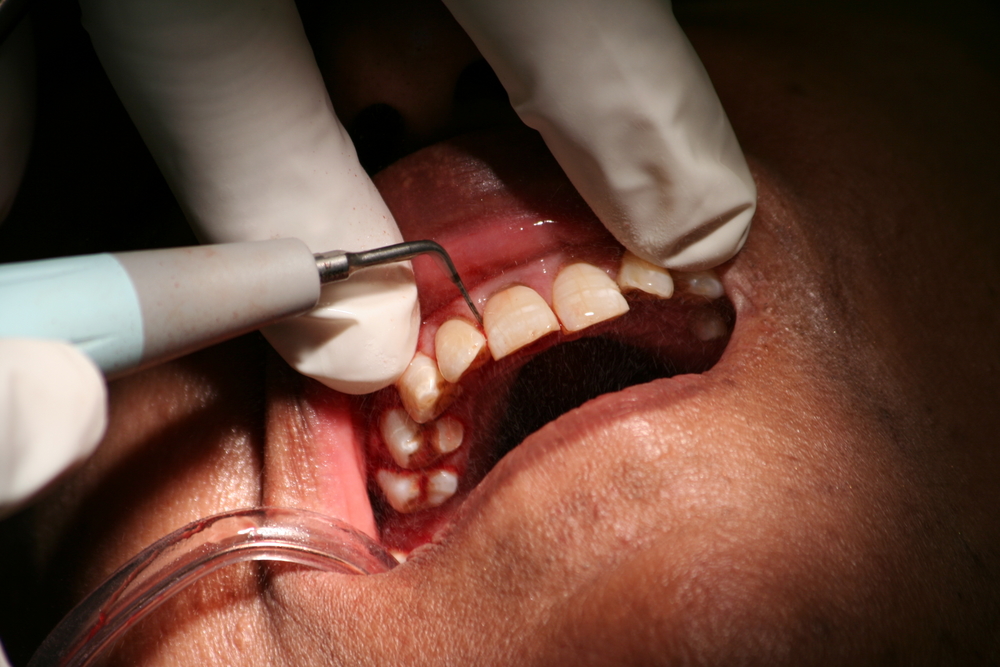
This review of air polishing devices (APDs) in comparison with hand instruments and/or power-driven instruments in supportive periodontal treatment and implant maintenance included 6 RCTs. 4 of the 6 included studies were considered to be at high risk of bias so the findings should be interpreted cautiously.

The post Air polishing or hand and/or power-driven instruments in supportive periodontal therapy appeared first on National Elf Service.

View on the web

Comparison of stress distribution between zirconia/alloy endocrown and CAD/CAM multi-piece zirconia post-crown: three-dimensional finite element analysis

paythelady.61 shared this article with you from Inoreader

784.jpg

Abstract

Objectives

This study aimed to evaluate a digital multi-piece zirconia post-crown to restore a mandibular second molar with extensive coronal loss and limited restoration space, and to compare the stress distribution between endocrowns made of zirconia or alloy and CAD/CAM multi-piece zirconia post-crowns.

Material and methods

Four three-dimensional finite element analysis models of a mandibular second molar with extensive coronal loss and limited restoration space were created as follows: (A) intact molar; (B) zirconia endocrown restored molar; (C) multi-piece post-crown restored-molar with tapered nail; (D) multi-piece post-crown restored molar with T-shaped nail. Models C and D were divided into two subgroups according to the material type: C1/D1, zirconia; C2/D2, NiCr alloy. The maximum modified von Mises failure criterion (mvM) stresses were calculated, and the stress distribution was recorded to analyze the effects of the restoration and material types on the biomechanical properties of dentin and prosthesis.

Results

The maximum mvM stress of dentin in model B (33.80 MPa) was lower compared with models C (C1, 37.81 MPa; C2, 36.36 MPa) and D (D1, 36.34 MPa; D2, 34.97 MPa) under vertical load, but the opposite was observed under oblique load. The highest mvM stress was concentrated in the nail region located in the root canal, and the T-shaped nail values were greater than the tapered nail, whereas model D with T-shaped nail showed a lower mvM stress level in dentin compared with Model C with tapered nail.

Conclusions

The digital multi-piece zirconia post-crown is a potential approach to restore mandibular second molars with extensive coronal loss and limited restoration space.

Clinical relevance

The digital multi-piece zirconia post-crown has potential to restore mandibular second molars with extensive coronal loss and limited restoration space using an innovative approach.

View on the web

The implicated clinical factors for outcomes in 304 patients with salivary duct carcinoma: Multi‐institutional retrospective analysis in Japan

paythelady.61 shared this article with you from Inoreader

Abstract

Background

Salivary duct carcinoma (SDC) is a high-grade salivary malignancy that frequently occurs as the carcinomatous component of carcinoma ex pleomorphic adenoma. We herein examined the clinical factors affecting outcomes in a large cohort of SDC.

Methods

We selected 304 SDC cases and investigated clinical characteristics and the factors affecting outcomes.

Results

The median age of the cases examined was 68 years, the most common primary site was the parotid gland (238 cases), and there was a male predominance (M/F = 5:1). Outcomes were significantly worse when the primary tumor site was the minor salivary glands (SG) than when it was the major SG. Outcomes were also significantly worse in pN(+) cases (161 cases) than in pN0 cases, particularly those with a metastatic lymph node number ≥11. The cumulative incidence of relapse and distant metastases was significantly higher in stage IV cases than in stage 0–III cases.

Conclusions

The absolute number of lymph node metastases, higher stages, and the minor SG as the primary tumor site were identified as factors affecting the outcome of SDC.

View on the web

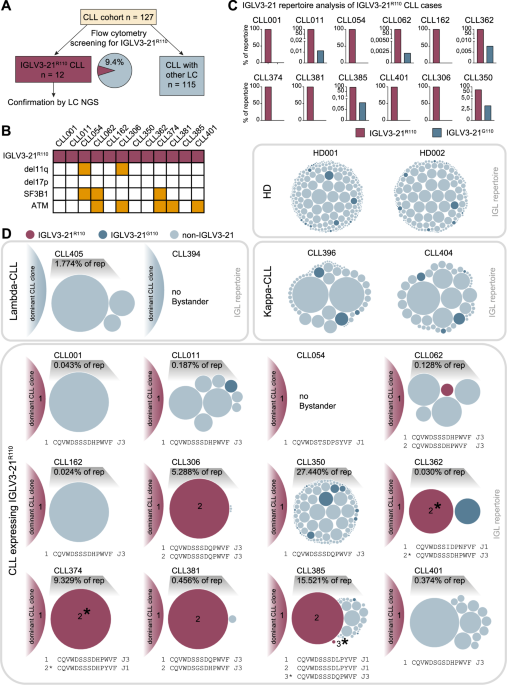
Subclonal heterogeneity sheds light on the transformation trajectory in IGLV3-21R110 chronic lymphocytic leukemia

paythelady.61 shared this article with you from Inoreader

41408_2022_650_Fig1_HTML.png

View on the web

From a Slave to a Surgeon: David Kearney McDonogh, the First Black Otolaryngologist

paythelady.61 shared this article with you from Inoreader
Otolaryngology–Head and Neck Surgery, Ahead of Print.
David McDonogh, born into chattel slavery in Louisiana in the early 1800s, accomplished the unfathomable by becoming the first Black otolaryngologist in the United States of America. With tireless determination and profound intellect, Dr McDonogh surmounted immeasurable adversity along his improbable journey to freedom and success as an eye, ear, nose, and throat doctor in New York. His doctorate in medicine was posthumously awarded to his great-great-granddaughter in 2018 by the Columbia University Vagelos College of Physicians and Surgeons. In this History of Otolaryngology piece, we share his extraordinary story.
View on the web

Systemic Steroids for Otolaryngology–Head and Neck Surgery Disorders: An Evidence-Based Primer for Clinicians

paythelady.61 shared this article with you from Inoreader
Otolaryngology–Head and Neck Surgery, Ahead of Print.
ObjectiveTo offer pragmatic, evidence-informed guidance on the use of systemic corticosteroids (SCS) for common otolaryngologic disorders.Data SourcesPubMed, Cochrane Library, and American Academy of Otolaryngology–Head and Neck Surgery Foundation clinical practice guidelines.Review MethodsA comprehensive search of published literature through November 2021 was conducted on the efficacy of SCS, alone or in combination with other treatments, for managing disorders in otolaryngology and the subdisciplines. Clinical practice guidelines, systematic reviews, and randomized controlled trials, when available, were preferentially retrieved. Interventions and outcomes of SCS use were compiled to generate summary tables and narrative synthesis of findings.ConclusionsEvidence on the effectiveness of SCS varies widely across otolaryngology disorders. High-level evidence supports SCS use for Bell's palsy, sinonasal polyposis, a nd lower airway disease. Conversely, evidence is weak or absent for upper respiratory tract infection, eustachian tube dysfunction, benign paroxysmal positional vertigo, adenotonsillar hypertrophy, or nonallergic rhinitis. Evidence is indeterminate for acute laryngitis, acute pharyngitis, acute sinusitis, angioedema, chronic rhinosinusitis without polyps, Ménière's disease, postviral olfactory loss, postoperative nerve paresis/paralysis, facial pain, and sudden sensorineural hearing loss.Implications for PracticeClinicians should bring an evidence-informed lens to SCS prescribing to best counsel patients regarding the risks, anticipated benefits, and limited data on long-term effects. Alternate routes of corticosteroid administration—such as sprays, drops, inhalers, and intralesional injections—may be preferable for many disorders, particularly those that are self-limited or require a prolonged duration of therapy. Prudent use of SCS reduces the risk of medication-related ad verse effects. Clinicians who are conversant with high-level evidence can achieve optimal outcomes and stewardship when prescribing SCS.
View on the web

Subclonal heterogeneity sheds light on the transformation trajectory in IGLV3-21R110 chronic lymphocytic leukemia

paythelady.61 shared this article with you from Inoreader

41408_2022_650_Fig1_HTML.png

Blood Cancer Journal, Published online: 30 March 2022; doi:10.1038/s41408-022-00650-4

Subclonal heterogeneity sheds light on the transformation trajectory in IGLV3-21R110 chronic lymphocytic leukemia
View on the web

Αρχειοθήκη ιστολογίου